HYPE$61.64▲ 9.92%ZEC$419.68▲ 1.21%META$569.62▲ 0.21%SOL$67.96▲ 4.25%AMZN$237.11▼ 1.82%ETH$1,672.43▲ 2.23%LEO$9.59▲ 1.09%XAU$4,240.10▲ 3.66%BNB$607.71▲ 1.71%NATGAS$2.94▲ 6.14%XMR$364.22▲ 1.91%XAG$67.86▲ 6.22%COIN$159.77▼ 0.41%BRENT$107.14▼ 8.65%WTI$102.13▲ 1.80%XRP$1.14▲ 2.50%MSFT$387.89▼ 0.63%RAIN$0.0131▲ 0.17%TRX$0.3140▼ 0.24%TSLA$401.51▲ 0.59%GOOGL$362.31▲ 1.27%NVDA$204.91▲ 0.02%ADA$0.1736▲ 5.39%AAPL$291.29▼ 1.47%DOGE$0.0887▲ 4.87%NFLX$80.91▼ 0.44%MSTR$124.44▲ 3.57%BTC$63,888.00▲ 2.38%FIGR_HELOC$1.03▼ 0.27%USDS$0.9999▲ 0.02%HYPE$61.64▲ 9.92%ZEC$419.68▲ 1.21%META$569.62▲ 0.21%SOL$67.96▲ 4.25%AMZN$237.11▼ 1.82%ETH$1,672.43▲ 2.23%LEO$9.59▲ 1.09%XAU$4,240.10▲ 3.66%BNB$607.71▲ 1.71%NATGAS$2.94▲ 6.14%XMR$364.22▲ 1.91%XAG$67.86▲ 6.22%COIN$159.77▼ 0.41%BRENT$107.14▼ 8.65%WTI$102.13▲ 1.80%XRP$1.14▲ 2.50%MSFT$387.89▼ 0.63%RAIN$0.0131▲ 0.17%TRX$0.3140▼ 0.24%TSLA$401.51▲ 0.59%GOOGL$362.31▲ 1.27%NVDA$204.91▲ 0.02%ADA$0.1736▲ 5.39%AAPL$291.29▼ 1.47%DOGE$0.0887▲ 4.87%NFLX$80.91▼ 0.44%MSTR$124.44▲ 3.57%BTC$63,888.00▲ 2.38%FIGR_HELOC$1.03▼ 0.27%USDS$0.9999▲ 0.02%
Prices as of 17:15 UTC

Author: Ben Rogers

  • The Future is NEAR – User-Centric and AI-ready Blockchain Infrastructure.

    The Future is NEAR – User-Centric and AI-ready Blockchain Infrastructure.

    TL;DR

    NEAR Protocol is a Layer-1 blockchain designed for scalability, innovation and sustainability, setting itself apart with user-friendly tools and low-cost transactions. Backed by $560M invested by giants like a16z and Tiger Global, and supported by strategic partnerships with Google and Alibaba Cloud, NEAR empowers a wide ecosystem of over 1,000 projects, spanning DeFi, Real Estate, Collectibles and more.

    Top-of-class in terms of technology and adaptability, its interoperability solutions address key challenges of scalability and collaboration, ensuring seamless integration with Ethereum and other networks. Additionally, its early focus on AI strengthens its positioning as a forward-thinking platform

    In short, NEAR continues to push the boundaries of blockchain adoption, asking: How far can NEAR take us into the decentralized future?


    Key Findings

    1. NEAR’s ecosystem hosts 1,000+ active projects, showcasing transformative applications across DeFi, RWA, Memecoins, AI and more.

    2. NEAR is bullish on AI, integrating predictive and customisation tools for development, governance and forecasting.

    3. Collaborations with global leaders like Google and Alibaba are boosting NEAR’s adoption, bridging Web2 and Web3 ecosystems effectively.

    4. Their Nightshade Sharding Technology powers NEAR with high throughput, low fees, and secure scaling, supporting heavy dApps without compromising efficiency.

    5. Building on NEAR is facilitated by their FastAuth tech, allowing non-technical users to create and interact with dApps seamlessly.

    6. NEAR’s biggest challenge is to expand its ecosystem, deliver on its technological promises, and attract more developers to strengthen its competitive position.


    Full Master Report

    Download the PDF Version (.pdf)

    View the Report in Google Drive reader

  • From KYC to ‘Know-Your-AI’ — Adapting identity verification for an AI-powered future.

    From KYC to ‘Know-Your-AI’ — Adapting identity verification for an AI-powered future.

    Introduction

    As technology evolves and artificial intelligence (AI) becomes more advanced, the systems we rely on for user verification are increasingly being pushed to their limits. For thousands of years, verifying the authenticity and reputation of customers and businesses has always been a cornerstone of security. But with AI models capable of generating hyper-realistic deepfakes and synthetic identities, traditional methods are no longer secure, creating a major risk to digital security. The challenge of distinguishing genuine users from artificially created personas is growing, and existing systems struggle to keep up. In some cases, AI is going even further, creating companies and users on its own – free of human decision-makers.

    From Customer Service to Business Decision-making, AI systems are becoming central to how we interact online. Upsides of such systems are clear: better production, deeper personalisation, faster delivery, etc.. Though, it raises critical questions: How can we ensure the integrity of these interactions when the very systems we use for verification are falling behind?

    The future of user verification is uncertain, but one thing is clear: most tools we use today are inadequate for the challenges of tomorrow. With AI set to play an even larger role in shaping digital interactions, we must rethink how we approach security and trust. Time has come to explore new solutions beyond current digital verification systems and adapt to the complexities of an AI-driven World.


    TL;DR

    As AI advances, traditional user verification systems like KYC struggle to keep up with deepfakes and synthetic identities, creating new risks for digital trust. The concept of KY-AI (Know-Your-AI) proposes verifying AI systems and their origins to tackle these challenges. Certifications like the RMA™ Badge offer a dynamic solution to ensure trust and compliance in AI-driven projects, redefining identity verification for an AI-powered future.


    Rethinking User Verification in the Age of AI

    User verification systems, long anchored by Know Your Customer (KYC) processes, are at a crossroads. As digital interactions grow and artificial intelligence (AI) advances at breakneck speed, the ability to accurately verify the authenticity of users has become a critical challenge. Despite their foundational role in preventing fraud and ensuring compliance, traditional KYC methods are showing their age. They struggle not only with inefficiencies and scaling issues but also with detecting increasingly sophisticated AI-generated threats like deepfakes and synthetic identities.

    Despite growing challenges, innovation seems to move away from improved verification, leaning toward more anonymity. Emerging technologies such as decentralized identity (dID) solutions are gaining traction as potential disruptors in the verification space. By allowing users to delete and control their data securely, dID promises greater privacy and scalability. The apparition of more and more opaque solutions highlights the growing demand for user-centric solutions that can meet the challenges posed by Web3 and decentralized systems. Yet, even dID solutions may face hurdles in proving the “humanity” of their users as AI becomes more indistinguishable from real individuals.

    The current state of verification technology calls for nothing short of a revolution. Our existing systems, while functional, are not equipped to handle the threats or complexities of a world where AI is poised to dominate. As we look to the future, it’s clear that the next generation of user verification will need to go far beyond what we currently understand. But what will these systems look like, and how will they adapt to ensure trust in an AI-driven era? The answers are uncertain, but the urgency to innovate has never been greater.


    The evolution of Identity Verification – The time to shift to KY-AI?

    As user verification systems struggle to keep pace with the rapid advances in AI, a question arises: Is it more practical to verify AI rather than humans? This concept, known as KY-AI (Know-Your-AI), envisions a plausible future where humans delegate most interactions to AI agents. In this reality, verifying the humanity of users becomes secondary to verifying the authenticity, source, and behaviour of the AI systems they rely on.

    The push toward KY-AI stems from the assumption that in a near future, people will lean heavily on AI for tasks ranging from customer service to business negotiations, creative production, and even personal communication. If interactions are dominated by AI, understanding “who” or “what” is behind these systems will become crucial. KY-AI proposes a framework to tackle two major questions: Who created the AI? and How is the AI being used?

    Verifying AI would require entirely new systems. A key component could involve auditing the companies behind AI models, ensuring transparency in their development and data handling. This might include certifications that verify ethical data sourcing, model training protocols, and adherence to privacy laws. Additionally, businesses deploying AI could be required to disclose their data management practices and demonstrate compliance with security and ethical standards. Another approach might involve embedding traceable identifiers into AI outputs, making it possible to track their origins and confirm authenticity. This could be paired with a registry system for AI models, where only verified AIs are authorized for specific tasks or industries.

    KY-AI doesn’t propose to replace human verification entirely but instead acknowledges a future where understanding and managing AI is equally—if not more—critical. As reliance on AI grows, ensuring trust in these systems may become the foundation of all verification processes.


    The RMA™ Badge — The only certification for AI-powered projects.

    As the digital economy expands and AI becomes more and more of a cornerstone of innovation, the need for certifications and verification systems has never been more critical. These tokens of trust are not mere formalities, they are essential tools for educating stakeholders, protecting users, and securing emerging markets.

    The RMA™ (Risk Management Authentication) Badge is a trailblazer in this space, offering a modular and dynamic framework tailored to the complexities of AI-powered projects. Unlike static certifications, the RMA™ Badge evaluates projects with a unique system that combines flexibility and granularity. Its modular approach allows different criteria—such as governance, security, and data management—to balance each other, providing an accurate and comprehensive judgment of a project’s reliability.

    Designed to adapt to emerging technologies and evolving industries, the RMA™ Badge can assess the trustworthiness of AI-driven tools, platforms, and ecosystems in real-time. Whether it’s verifying an AI model’s data handling practices or the operational integrity of an AI company, the RMA™ Badge ensures no stone is left unturned. This adaptability makes it the gold standard for projects seeking to establish credibility in a rapidly shifting technological landscape.


    Conclusion: From KYC to KY-AI — Is the future of identity verification already here?

    The rapid advancements in AI and digital technologies are pushing traditional KYC systems to their limits. As deepfakes, synthetic identities, and AI-driven fraud become more sophisticated, the need for a revolutionary approach to identity verification is clear. Traditional methods, designed for a simpler era, are no longer sufficient to verify the authenticity of users in a world where machines increasingly act on their behalf.

    KY-AI (Know-Your-AI) offers a forward-looking solution by shifting the focus from solely verifying individuals to understanding the AI systems that power interactions. Auditing AI models, validating data management practices, and embedding accountability into AI outputs are key steps in addressing these new challenges. KY-AI ensures that the “who” and “what” behind AI actions are transparent, secure, and trustworthy, aligning verification systems with the realities of a machine-augmented future.

    Certifications like the RMA™ Badge provide the foundation needed to support this shift. With its dynamic and modular framework, the RMA™ Badge adapts to emerging technologies, offering a comprehensive and reliable evaluation of AI-powered projects. By embracing such tools, businesses, and regulators can build a secure and transparent digital economy where trust is not just restored but redefined for the age of AI.


    About VaaSBlock

    VaaSBlock is a global leader in blockchain credibility, setting the standard for trust and accountability. Through the RMA™ certification, VaaSBlock offers businesses a robust framework for proving their integrity and reliability to investors, regulators, and users worldwide. To learn more about the RMA™ badge and its impact on the Web3 space, visit vaasblock.com.

    Website | LinkedIn |  X |  Threads | Facebook


    ⚭ This article has been co-created by VaaSBlock Consulting Team and our LLMs.

    The Contrarian Read On What “Know Your AI” Actually Becomes

    The consensus position on Know-Your-AI is that it is a natural extension of KYC into the era of agentic systems, that regulators will catch up to it in a few years, that the frameworks will resemble the ones we already have, and that the industry will adapt. Most of these claims will turn out to be wrong, and the directions in which they will turn out to be wrong are the directions worth thinking about now, while the consensus has not yet hardened into infrastructure.

    The first contrarian claim is that Know-Your-AI will not look like KYC, because KYC was built for a world in which the entity being verified had a continuous identity that persisted between interactions. AI agents do not have that property. Their identity is a function of their weights, their fine-tuning, their context window, and the runtime configuration at the moment of the interaction, all of which can change between one query and the next. A verification framework built on the assumption of continuous identity will verify a thing that no longer exists by the time the verification matures. The frameworks worth building are the ones that verify behaviour at the moment of interaction, not identity that persists across interactions.

    The second contrarian claim is that the regulatory frameworks will not lead — they will lag by five to seven years, as they did with crypto. The infrastructure that gets built in those five to seven years will be the infrastructure that the eventual regulation has to accommodate, not the infrastructure that the regulation produces. Anyone waiting for clear regulatory guidance before building Know-Your-AI infrastructure will be late to the only window in which the infrastructure choices are still being decided.

    The third contrarian claim is that the industry that emerges will not resemble the KYC industry, which is consolidated around a small number of large providers serving regulated entities. Know-Your-AI is a problem with structurally more verification points — every agent interaction is a potential verification — and the economics will favour distributed verification rather than centralised provider concentration. The companies that win this market will look more like network operators than compliance vendors, and the competitive positions worth taking are the ones that build network economics from the start rather than retro-fitting them onto a centralised-provider model.

    The contrarian synthesis is that Know-Your-AI is not a small adaptation of KYC. It is a different category of infrastructure, addressing a different class of identity problem, on regulatory and competitive dynamics that look more like the early days of the internet than the mature days of financial-services compliance. The companies treating it as a KYC extension will build the wrong product. The companies treating it as a category zero will have the option of building the right one. Which category the consensus settles on will be decided by who ships first and who ships best, not by which framework reads most plausibly on paper.

  • Reinventing the Workplace – How AI is Shaping the Future of Work

    Reinventing the Workplace – How AI is Shaping the Future of Work

    Introduction

    Artificial intelligence (AI) has rapidly shifted from an exciting concept to a powerhouse reshaping how we work across nearly every industry. It’s no longer just early adopters driving this change — employees are taking the lead, finding creative ways to weave AI into their daily routines. Whether it’s automating data analysis, enhancing customer support, or streamlining complex workflows, workers are setting a new pace, fueled by AI’s limitless potential.

    As this momentum builds, organizations face a critical choice: adapt to this AI-driven shift or risk getting left behind. Ambitious companies have a unique opportunity to leverage AI not only to stay competitive but also to transform their operations, drive innovation, and rethink productivity. So, why is it crucial for organizations to start thinking about AI integration now?


    TL;DR

    This report explores the transformative impact of AI on the workplace, where employees are driving innovation and efficiency across industries like finance, data management, or retail. Companies that embrace AI now are positioning themselves as future leaders, but success also requires investing in workforce upskilling, fostering a culture of adaptability, and ensuring compliance. With regulatory standards still evolving, VaaSBlock’s RMA™ Badge offers a proactive solution, helping businesses secure trust and credibility in an AI-driven world. Adopting AI responsibly today will define the leaders of tomorrow.


    Embracing AI in the Workplace.

    Artificial intelligence is reshaping industries at every level, driving efficiency and opening new possibilities in fields ranging from finance – to data – to retail. In finance for instance, AI tools are already used to detect fraud, predict stock trends, and provide personalized financial advice, while healthcare professionals use AI to assist in diagnostics, patient monitoring, and even robotic surgeries. Many retail businesses employ AI to manage supply chains and anticipate consumer preferences since 2023. Beyond specialized industries, AI is becoming an integral part of everyday life – whether through personal assistants like Siri and Alexa, which help manage schedules and tasks, or navigation apps like Google Maps, which use machine learning to optimize travel routes.


    Rethinking Humanities

    One of the most talked-about examples of AI’s impact on daily routines is the use of ChatGPT by students to draft essays and complete assignments. This widespread adoption has sparked debate: Should educators try to limit AI’s presence in the classroom, or should they adapt by reshaping the way we educate and evaluate students? This case highlights how AI isn’t only a tool but a force that’s redefining expectations, workflows, and the very structure of certain professions. In response to these changes, companies and educational institutions alike face a choice: embrace AI as an evolving ally in productivity and innovation or risk being left behind in a world where technology continues to shape the way we live and work.


    Preparing Employees for AI.

    Integrating AI into the workplace brings immense potential but also presents challenges that companies need to address. On the positive side, AI tools can easily be activated to enhance decision-making or streamline operations, offering a competitive edge. However, organizations must also navigate obstacles like data privacy, need for robust technical infrastructure, and knowledge limitations among senior staff. Recognizing both the opportunities and challenges of AI integration is the first step toward building a sustainable, adaptive workforce that’s prepared for future innovations.


    Upskilling is necessary…

    A critical aspect of this preparation is upskilling and reskilling employees to work effectively with AI. Training employees on AI tools not only enhances productivity but also fosters a collaborative environment where humans and AI complement each other’s strengths. Many organizations are now offering workshops, online courses, and on-the-job training to help employees develop AI literacy, regardless of their roles. From marketers learning to leverage AI for predictive analytics to customer service teams using chatbots for quicker response times, the benefits of these skills are clear.


    …so is Innovative culture building.

    To support these shifts, companies must also foster a culture of innovation and adaptability. Embracing a flexible work culture allows employees to experiment, learn, and evolve with the technology, encouraging a proactive approach to AI. Leaders can promote this by setting up pilot programs, encouraging feedback, and rewarding innovation. In a rapidly changing environment, a workforce that feels supported and empowered is better equipped to adapt, giving the company a vital edge in an AI-driven world.

    Case Study: Amazon, a-class student — Prime example of organizations that excelled in adapting to new technologies, Amazon is known for its commitment to innovation. In 2023, the company introduced the “Amazon Technical Academy,” which equips employees with the skills needed for software engineering and other AI- and Tech-related roles. This forward-thinking approach not only positions Amazon as a leader in the industry but also ensures its workforce remains adaptable, skilled, and ready to work alongside the latest technological advancements.


    An opportunity for Competitive Advantage.


    Hello World..

    While AI is a popular buzzword, the reality is that we’re still only scratching the surface of its potential. Current AI applications in business are powerful but limited, often focusing on specific tasks like customer service, predictive analytics, or personaliation. However, the true transformative potential of LLMs (AI and genAI) remains largely untapped. Companies that recognize the unique opportunity to innovate with AI now are positioning themselves as the leaders of tomorrow. In an environment where AI’s full impact is still unknown, businesses have an extraordinary chance to shape its future applications and define new industry standards.


    Ready for use

    AI’s current capabilities already offer substantial advantages: real-time insights, automation of complex processes, and smarter decision-making. By implementing AI strategically in areas such as performance automation, market analysis, supply chain optimization, product development, etc.. forward-thinking organizations can adapt quickly to shifts in demand and anticipate emerging trends. Companies like Walmart use AI to forecast inventory needs, reducing waste and staying prepared for fluctuations in demand. Yet, these examples are only a preview of AI’s potential; as the technology advances, the possibilities for its application will continue to expand, offering even greater competitive edges to those ready to adapt now.


    First come, first serve

    Beyond operational improvements, embracing AI offers a unique chance to establish any company as a forward-thinking leader in a particularly rapidly evolving landscape. Right now, AI is a competitive advantage waiting to be claimed. Companies that take bold steps to explore and integrate AI today are setting the stage to lead tomorrow. The organizations that hesitate may find themselves left behind, struggling to catch up as AI reshapes industries in ways we can’t yet fully imagine. For ambitious companies, the opportunity is clear: the time to act is now.


    Compliance: The Next Step

    As companies embrace AI to drive innovation and productivity, a critical factor often overlooked is compliance. Every technological revolution brings unique ethical and regulatory challenges, and AI is no exception. With vast amounts of data powering AI tools, issues like data privacy, transparency, and accountability come to the forefront. Companies that want to stay ahead must address these concerns proactively to build trust with customers and regulators alike. Ensuring compliance isn’t just about following regulations; it’s about safeguarding the company’s reputation and demonstrating a commitment to responsible AI practices.


    The RMA™ Badge: the comprehensive compliance token

    Establishing robust AI governance frameworks is essential for long-term success, and this is where VaaSBlock’s comprehensive auditing approach makes a real difference. The RMA™ (Risk Management Authentication) Badge offers a ready-made solution for companies looking to ensure compliance with the highest standards in AI and blockchain. While many governments and institutions are still in the process of developing regulatory frameworks, VaaSBlock has already set the bar by providing companies with a robust, transparent process to verify data handling, privacy, and ethical AI practices. The RMA™ Badge not only strengthens a company’s reputation but also reassures customers and stakeholders that they are aligned with the most rigorous standards available.

    As regulatory standards around AI continue to evolve, companies that have achieved RMA™ certification will be a step ahead, having proactively established best practices that likely exceed future legal requirements. VaaSBlock’s RMA™ Badge is designed to offer security and accountability in an era where compliance is still catching up to technological advancements. For companies aiming to be AI and blockchain leaders, VaaSBlock provides the credibility and trust necessary to drive growth responsibly, positioning them as pioneers in a market that values secure, compliant innovation.


    Conclusion

    The transformative potential of AI in the workplace is vast, but harnessing it effectively requires more than just technology; it demands vision, adaptability, and responsibility. As AI reshapes industries from finance to healthcare to retail, companies willing to embrace these changes are poised to lead. This means investing not only in cutting-edge tools but also in upskilling employees and fostering a culture of innovation, allowing human creativity to thrive alongside AI.

    However, as organizations integrate AI, they must address the ethical and regulatory implications that accompany such powerful technologies. Compliance is not simply a hurdle but an essential foundation for sustainable growth and public trust. VaaSBlock’s RMA™ Badge provides an immediate, rigorous standard for AI and blockchain compliance, positioning forward-thinking companies a step ahead in a landscape where regulations are still evolving. By adopting AI responsibly and proactively securing compliance, companies can forge a future where technology serves as a force for positive, transformative change—establishing themselves as the leaders in tomorrow’s AI-driven world.


    Frequently Asked Questions

    1. What are LLMs?

    Large Language Models, are advanced AI systems trained on vast text data to generate human-like language, enabling tasks like answering questions, drafting content, and translating languages. Examples include Copilot and GPT-4.

    2. Who owns the data generated with AI?

    Ownership of AI-generated data varies by context. Typically, the user owns the data, but this can depend on agreements with the AI provider and privacy regulations involved.

    3. What are the risks of uncontrolled AI?

    Uncontrolled AI risks include privacy issues, art ownership disputes, and unintended actions in critical areas like healthcare or finance. This highlights the need for responsible governance to manage these potential harms.

    4. How does VaaSBlock audit AI companies?

    VaaSBlock’s RMA™ process audits all Web3 and AI companies comprehensively. Flexible criteria allow companies to compensate for gaps by excelling in other areas, ensuring high compliance standards for diverse projects.


    About VaaSBlock

    VaaSBlock is a global leader in blockchain credibility, setting the standard for trust and accountability. Through the RMA™ certification, VaaSBlock offers businesses a robust framework for proving their integrity and reliability to investors, regulators, and users worldwide. To learn more about the RMA™ badge and its impact on the Web3 space, visit vaasblock.com.

    Website | LinkedIn |  X |  Threads | Facebook


    ⚭ This article has been co-created by VaaSBlock Consulting Team and our LLMs.

    What The People-Manager Lens Adds To The AI-Workplace Story

    The AI-workplace conversation often skips the part that matters most to the people inside the workplace being reinvented. The story being told is about productivity gains, skill compression, role consolidation. The story being lived is about a manager trying to figure out how to talk to their team about whether the team will still have the same shape in six months, while not yet having the answers themselves. Both stories are real. Only the first one tends to be written about.

    The honest read from a people-manager perspective is that this transition is producing a generation of managers who are being asked to lead organisations through changes the managers themselves do not fully understand. There is no shame in this — every prior technology transition produced the same dynamic, and the managers who came through it well were the ones who learned to lead generously through uncertainty rather than pretending to certainty they did not have. The instinct to project confidence and reassure the team that “everything will be fine” is a kind reflex and a poor strategy. The instinct to share the uncertainty honestly, ask the team what they are seeing, and treat the transition as a problem the team will work through together is harder, more vulnerable, and produces materially better outcomes.

    The specific managerial practice that helps most is also unfashionable: explicit, named conversations about what the AI tools are doing to each role on the team, what the manager honestly doesn’t know yet, and what the team would want the manager to do if the answers turn out to be uncomfortable. Those conversations are not pleasant. They are not optional either. The teams who skip them are the teams whose best people leave first, because the uncertainty is a leadership signal whether the manager addresses it or not. Address it, generously, with the trust in your team’s judgment that they have earned.

  • AI and Compliance: Incompatible or Mutual Benefit?

    AI and Compliance: Incompatible or Mutual Benefit?

    Humanoid Bald AI Woman On Laboratory

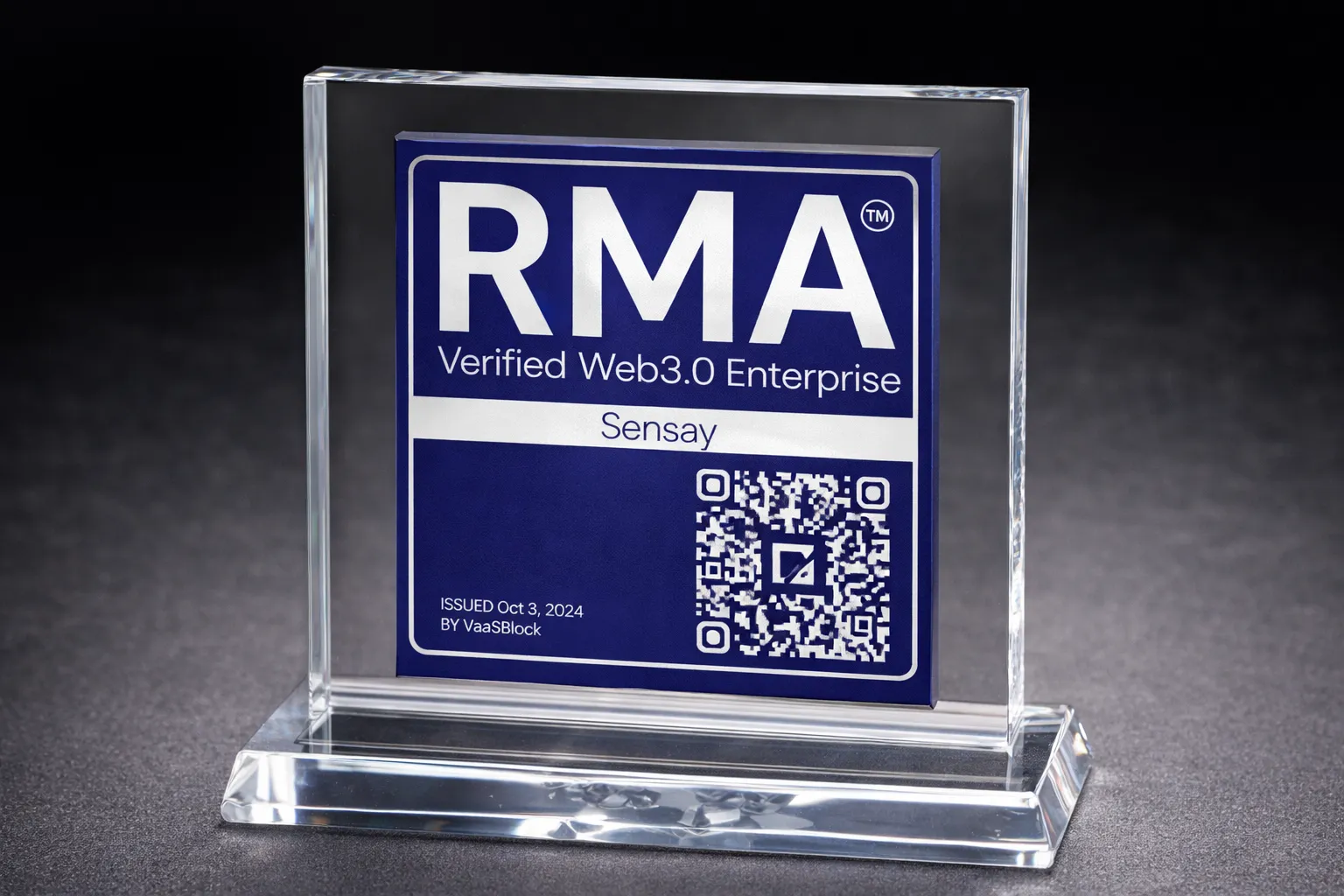
    In October 2024, Sensay, a leader in autonomous AI replicas, announced that it has been awarded the esteemed RMA™ (Risk Management Authentication) certification from VaaSBlock.


    The promises of AI-powered agents.

    AI-powered virtual agents and avatars are transforming the way industries engage with customers, offering dynamic, interactive experiences across platforms like customer service, education, and e-commerce. These AI-driven avatars can recognize emotions, process natural language, and respond intuitively, enhancing user engagement. Companies are adopting AI avatars to personalize experiences, allowing customers to interact with digital representatives as they would with human agents, thus improving service speed and quality.

    However, as promising as these applications are, they face significant challenges, particularly around privacy and data protection. AI avatars collect and process vast amounts of user data, raising questions about consent, security, and compliance. This complex landscape presents both technological and ethical challenges, as current regulatory frameworks often struggle to keep pace with these advancements. Plus, who’s in charge of controlling companies owning the AI-models processing this data? 

    Ensuring that these virtual and real entities can operate within secure and compliant environments remains a priority as companies strive to integrate them responsibly into their services.


    Challenge: Addressing compliance concerns in AI-driven avatars

    As AI and generative technology advance, so do concerns around data security, privacy, and compliance—particularly in the realm of AI-driven avatars and virtual agents. While these tools hold transformative potential, they also carry risks that can seem daunting to both businesses and users. Many worry that AI avatars, designed to collect and process personal data, might inadvertently breach privacy or misuse sensitive information without proper safeguards. Current compliance frameworks struggle to keep up with the rapidly evolving technology, leading to gaps in how data protection laws apply to AI-powered interactions.

    This lack of regulation has made many cautious about integrating generative AI tools into customer-facing roles, where maintaining trust is paramount. AI and compliance may seem at odds, with AI’s evolving capabilities and current regulatory limitations highlighting the need for innovative compliance models that can adapt to these challenges. Addressing these concerns means finding a way to bridge the gap between AI’s capabilities and the structured, transparent practices required to gain user trust and meet regulatory standards. This is the challenge VaaSBlock and Sensay aim to address, collaborating to establish a reliable framework that integrates compliance directly into AI solutions.


    Holographic Blueprint Of An AI

    Solution: VaaSBlock and Sensay’s Collaborative Approach

    To address these compliance challenges, VaaSBlock and Sensay have joined forces, each bringing their expertise to create a solution that integrates security and regulatory compliance into AI-driven interactions. Sensay, already a pioneer in AI-avatars, is developing a powerful AI-agent specifically for VaaSBlock, designed to enhance accuracy, functionality, and compliance throughout VaaSBlock’s processes. This AI-agent is tailored to meet stringent security standards, setting a new benchmark for compliant AI interactions.

    In turn, VaaSBlock has customized its Risk Management Authentication (RMA™) Badge to fit Sensay’s unique needs and market niche. This adaptation acknowledges Sensay’s advanced AI capabilities while ensuring the platform’s operations align with industry compliance standards. The RMA™ Badge, awarded after VaaSBlock’s rigorous audit, signals that Sensay’s technology not only meets but exceeds compliance expectations in data security and risk management. Together, these efforts are establishing a new precedent for trustworthy AI-powered tools, reassuring users that their data is secure and their interactions protected.


    Successful Implementation – Sensay Earns Its First RMA™ Badge

    Following VaaSBlock’s comprehensive audit, Sensay achieved a significant milestone by earning its first RMA™ Badge. This certification underscores Sensay’s commitment to secure and compliant AI practices, establishing them as a trustworthy player in the AI-driven avatar industry. With the RMA™, Sensay can now assure users and partners alike that their data protection and risk management protocols meet the highest standards, reinforcing confidence in their technology.

    The RMA™ process, developed by VaaSBlock, serves as a recognized compliance mark across the Web3 and AI sectors. It evaluates a company’s governance, security measures, and operational practices, ensuring they align with rigorous data protection standards. For the AI industry, where compliance concerns remain a barrier to adoption, the RMA™ Badge offers a reliable benchmark, helping companies like Sensay showcase their dedication to user privacy and risk management. By securing this certification, Sensay has set a new standard for AI platforms, promoting transparency and accountability in AI-powered interactions.

    Fiber Glass RMA Badge For Sensay


    Futures – Expanding AI Compliance and Security

    As VaaSBlock and Sensay advance their collaboration, they are both focused on refining AI-driven compliance processes to further enhance the security and accountability of AI-powered avatars. Together, they are exploring ways to optimize the AI-agent developed by Sensay, ensuring that it can better support VaaSBlock’s security framework while expanding the scope of compliance verifications across a wider range of applications.

    Looking ahead, VaaSBlock and Sensay are committed to developing solutions that anticipate regulatory changes as AI becomes an integral part of business operations. By fine-tuning their verification processes, the two companies aim to create a robust system that will empower future AI solutions to meet compliance standards from the outset. This approach lays the groundwork for widespread AI adoption, creating opportunities for AI to seamlessly integrate into fields such as healthcare, finance, and customer service with strong compliance protections.

    In the broader industry, VaaSBlock’s RMA™ Badge could become a pivotal compliance standard, providing assurance to businesses and consumers alike. As AI’s role in business grows, companies like VaaSBlock and Sensay are leading the way in building a secure, compliant foundation for the next generation of AI applications.


    For more information on how the RMA™ certification can enhance your project’s credibility, visit VaaSBlock’s RMA™ badge program.

  • RMA™ vs. SOC2: Tailoring Compliance and Credibility for Blockchain Projects

    RMA™ vs. SOC2: Tailoring Compliance and Credibility for Blockchain Projects

    As blockchain technology transitions from niche applications to mainstream adoption, establishing credibility and adhering to robust security standards have become paramount for blockchain projects and Web3 enterprises. Traditional certifications such as SOC2 have long been the gold standard for data security and privacy, particularly for SaaS and technology companies. However, emerging certifications such as VaaSBlock’s Risk Management Authentication (RMA™) badge are designed to address the distinctive demands of blockchain-based organizations. For a deeper breakdown of SOC2 requirements as they apply to Web3 projects, see our SOC2 for Web3 guide.

    While SOC2 primarily emphasizes safeguarding user data and ensuring secure processing, the RMA™ badge offers a more holistic approach. It encompasses governance, revenue models, technological infrastructure, team proficiency, and transparency, thereby providing a comprehensive evaluation tailored to the complexities inherent in decentralized systems. This article presents an in-depth comparison between SOC2 and the RMA™ badge, aiding blockchain organizations in determining the optimal certification pathway to enhance their credibility and operational excellence. For blockchain-specific governance and operational evaluations, see the RMA™ badge overview.


    TL;DR

    SOC2 is an industry-standard certification ensuring information security and data privacy across various sectors, ideal for organizations handling sensitive user data. It is increasingly important for Web3 infrastructure and blockchain service providers that need to demonstrate traditional security assurances. In contrast, VaaSBlock’s RMA™ badge is specifically designed for blockchain projects, encompassing governance, technology, revenue models, and team proficiency. While SOC2 suits SaaS providers, traditional tech companies, and many SOC2-for-Web3 use cases, RMA™ is tailored for Web3 companies seeking comprehensive blockchain-specific credibility. Organizations eligible for both certifications can benefit from dual certification, enhancing trust and streamlining the RMA™ process.


    Badge mockup on phone


    What is SOC2?

    SOC2 (Service Organization Control 2) is a framework developed by the American Institute of CPAs (AICPA) to ensure that companies handling user data have appropriate safeguards in place. It evaluates an organization’s controls based on five key Trust Service Criteria:

    1. Security: Protection against unauthorized access.
    2. Availability: Ensuring service uptime and reliability.
    3. Processing Integrity: Guaranteeing accurate and authorized data processing.
    4. Confidentiality: Protecting sensitive information.
    5. Privacy: Proper handling of personal information.

    SOC2 is a widely recognized standard applicable to any organization providing data-driven services, especially those in SaaS, finance, and healthcare sectors. It primarily addresses internal controls related to information security and data privacy, establishing a foundation of trust for clients and partners. For the official definition and criteria, see the AICPA website.Many organizations preparing for SOC2 audits rely on independent cybersecurity service providers to identify vulnerabilities, strengthen security controls, and validate their compliance readiness.


    What is the RMA™ Badge?

    The RMA™ (Risk Management Authentication) badge is a comprehensive certification specifically designed for blockchain projects. It evaluates an organization’s performance across six distinct categories to ensure high standards of credibility, transparency, and operational integrity. The RMA™ badge leverages blockchain technology to tokenize the certification, providing stakeholders with immutable and transparent proof of certification (see how to verify an RMA™ badge).


    RMA™ Core Pillars:

    1. Corporate Governance: Analysis of organizational structure, funding, and leadership.
    2. Revenue Models: Evaluation of financial performance, sustainability, and monetization strategies.
    3. Planning and Transparency: Review of operational workflows, strategic planning, and crisis management.
    4. Results Delivered: Assessment of project milestones, partnership effectiveness, and delivery timelines.
    5. Team Proficiency: Examination of team qualifications, roles, and strategic capabilities.
    6. Technology and Security: Comprehensive analysis of technical infrastructure, security measures, and tech stack suitability.

    The RMA™ badge not only ensures technical robustness but also validates business operations, governance, and team integrity, making it a unique and comprehensive certification in the blockchain space.


    History and Evolution of Certifications

    SOC2 has been a cornerstone of data security compliance for over a decade. Its focus on data protection and privacy made it the go-to standard for SaaS providers, IT services, and any company managing sensitive information. The certification ensures that these companies maintain high standards for security and operational effectiveness.

    In contrast, the RMA™ badge was introduced to address the evolving needs of blockchain projects. The decentralized nature of blockchain presents unique challenges, such as transparency, governance, and long-term operational stability, which traditional certifications like SOC2 do not fully cover. The RMA™ badge fills this gap by providing a more comprehensive and blockchain-specific evaluation, encompassing both technical and operational aspects to foster trust and credibility in the Web3 ecosystem.


    In-Depth Comparison of SOC2 and RMA™

    Criteria

    SOC2

    RMA™

    Focus

    Information security and data privacy

    Comprehensive blockchain governance, security, and operational credibility

    Verification Method

    In-depth manual audits by CPA firms

    Tokenized verification, blockchain transparency, and integration of third-party audits

    Scope

    Data protection, privacy, security

    Governance, team proficiency, revenue models, technology, and transparency

    Industry Relevance

    SaaS, IT, finance, healthcare

    Blockchain projects, DeFi, Web3, DAOs

    Audit Cycle

    Annual audits and reports

    Annual evaluations with blockchain-recorded results

    Certification Documentation

    PDF reports issued by a CPA

    Tokenized badges for immutable, transparent proof

    Integration with Other Standards

    N/A

    Accepts and highly favors SOC2 and ISO27001 certifications (learn about the RMA™ certification process).

    Additional Features

    Focus on internal controls for data security and privacy

    Includes governance analysis, crisis management, and team proficiency assessment


    Benefits of Each Certification

    SOC2:

    • Enhanced Security Posture: Demonstrates a strong commitment to protecting client data and maintaining robust security practices.
    • Client Trust: Builds trust with clients and partners by showcasing adherence to high security and privacy standards.
    • Market Differentiation: Acts as a competitive advantage in industries where data security is paramount.
    • Versatile Application: Applicable across various industries, making it a versatile certification for any organization handling sensitive information.


    RMA™:

    • Blockchain Credibility: Establishes trust within the Web3 community by validating both technical and operational aspects specific to blockchain projects.
    • Comprehensive Trust Signals: Combines security with business integrity, governance, and compliance, offering a more rounded assurance to stakeholders.
    • Facilitates Growth: Helps blockchain organizations attract investors, partners, and users by demonstrating a commitment to high standards and continuous improvement.
    • Complements SOC2: Works alongside SOC2 to provide both traditional information security assurances and blockchain-specific credibility. See our SOC2 vs RMA™ comparison for more details.
    • Tokenized Verification: Provides immutable and transparent proof of certification through blockchain technology, enhancing trust and reducing fraud risk.


    Choosing the Right Certification

    Deciding between SOC2 and RMA™ depends on the unique needs of your organization:

    • If your organization handles sensitive user data or is a SaaS provider, including Web3 infrastructure or blockchain analytics services, SOC2 is highly recommended to demonstrate robust security and data privacy controls and to meet growing expectations around SOC2 compliance for Web3 projects.
    • If you are a blockchain project, DeFi platform, or Web3 service provider, the RMA™ badge is better suited as it addresses the complexities of decentralized operations, token management, and governance.
    • For organizations eligible for both certifications, pursuing dual certification offers the best of both worlds. SOC2 establishes a foundation of trust in traditional data security, while RMA™ showcases operational credibility specific to blockchain.


    Dual Certification: A Strategic Advantage

    Holding both SOC2 and RMA™ certifications signals to investors, partners, and users that your organization is committed to the highest standards of both traditional data security and blockchain-specific governance. Additionally, if your organization already holds a SOC2 certification, the RMA™ audit process can leverage these results to accelerate the evaluation of the security component, thereby reducing the overall time and effort required. To understand how SOC2 and RMA™ complement each other in practice, read our in-depth SOC2 vs RMA™ analysis.


    Strategic Benefits:

    • Enhanced Trust Across Sectors: Combining SOC2’s global recognition with RMA™’s blockchain-specific credibility boosts stakeholder confidence.
    • Competitive Edge: Stand out in both traditional and blockchain markets by demonstrating a robust commitment to security and compliance.
    • Regulatory Preparedness: Better positioned to navigate existing and emerging regulations affecting information security and blockchain technologies.
    • Comprehensive Risk Management: Address a broader spectrum of risks, from general information security threats to blockchain-specific vulnerabilities.


    Real-World Applications and Use Cases

    Blockchain Protocols and DAOs

    Blockchain protocols and Decentralized Autonomous Organizations (DAOs) often face scrutiny regarding governance and decision-making processes. The RMA™ badge, with its focus on governance, transparency, and results delivered, provides an ideal standard for these organizations, ensuring they operate at the highest levels of trust and accountability. See examples of RMA-verified Web3 organizations.

    SaaS Platforms and Data-Intensive Services

    For blockchain-based SaaS platforms handling significant user data, SOC2 certification reassures customers of their data security practices and helps answer due-diligence questions about SOC2 for Web3 companies. When paired with the RMA™ badge, these organizations can further demonstrate their commitment to transparency, strategic planning, and long-term sustainability within the broader blockchain ecosystem.

    Exchanges and Financial Institutions

    Exchanges and financial institutions operating in the blockchain space benefit greatly from dual certification. SOC2 ensures that they have strong controls for managing user data and financial integrity, while RMA™ evaluates their overall governance, compliance with industry standards, and readiness to handle blockchain-specific challenges. At this stage the RMA is not yet ready for exchanges but strategic partnerships can be made getting ready for the product launch.


    Frequently Asked Questions

    1. What are the primary differences between SOC2 and RMA™?
      • SOC2 primarily focuses on data protection and privacy, applicable to a wide range of industries. The RMA™ badge, however, is designed specifically for blockchain projects, assessing governance, revenue models, planning and transparency, team proficiency, and technology security.
    2. Can an organization hold both SOC2 and RMA™ certifications?
      • Yes, and it is recommended for organizations eligible for both to pursue dual certification. SOC2 establishes trust in traditional security and privacy, while RMA™ addresses blockchain-specific standards. RMA™ audits can use SOC2 results to streamline the evaluation process, particularly for the security component.
    3. How does the RMA™ badge leverage blockchain technology?
      • The RMA™ badge is tokenized on the blockchain, providing a transparent, immutable proof of certification. This allows stakeholders to verify the authenticity of a badge by scanning its QR code and checking it against the blockchain record.
    4. Which certification should a blockchain service provider prioritize?
      • For blockchain service providers, RMA™ is the recommended certification due to its focus on governance, transparency, and operational sustainability. SOC2 can be pursued additionally for enhanced data security assurances.
    5. Does the RMA™ badge replace the need for traditional certifications like SOC2?
      • No, the RMA™ badge complements traditional certifications like SOC2. While SOC2 covers data security and privacy, RMA™ addresses blockchain-specific areas, making them effective when combined.


    For a real-world example of SOC2 adoption in the Web3 infrastructure space, see the Moralis SOC2 Type 2 announcement.


    Conclusion and Key Takeaways

    SOC2 and the RMA™ badge play distinct but complementary roles in establishing trust and credibility for blockchain organizations. SOC2 is highly valued for its focus on data security and privacy, while RMA™ is tailored for blockchain-specific governance and operational integrity. Organizations that achieve both certifications can confidently demonstrate their commitment to best practices, positioning themselves as leaders in both traditional and decentralized industries.

    Pursuing dual certification offers strategic advantages, signaling a high level of compliance and credibility across the board. Whether you are a blockchain project looking to validate your operations or a SaaS provider aiming to reassure your customers of your security posture, choosing the right certification or combination of certifications can make all the difference in establishing trust and facilitating growth in today’s competitive market.

    The Discipline Underneath The Framework Choice

    Pick the framework that matches the customer you are trying to serve. Run it the way the framework actually wants to be run, not the way that makes it easiest to claim certification. Keep running it after the certificate is on the wall. Those are the three rules, and they are not three different rules. They are the same rule applied at three different time horizons.

    Most teams fail rule two. They treat certification as a project with an end date — the audit completes, the certificate arrives, the framework gets shelved. The framework only protects the business if it is operating, not if it has been audited once. Auditors return. Customers return. The questions they ask the second time are different from the questions they asked the first time, and the answers are produced by the team that has been doing the work continuously, not by the team that did the work in the run-up to the original audit.

    If you choose SOC 2, run SOC 2 as if every quarter has a Type 2 audit at the end of it. If you choose RMA, run RMA as if your Web3 counterparties are reading the inventory tomorrow. The discipline is not which framework you picked. The discipline is whether you treated the framework as a one-time event or as a permanent operating capability. Teams who chose the right framework and ran it as an event still lose ground to teams who chose the wrong framework and ran it with discipline. The decision is not what to certify. The decision is whether to operate the certification or just hold it. Operate it.

  • Setting the Standard for Crypto Payments in the Travel Industry

    Setting the Standard for Crypto Payments in the Travel Industry

    In a crowded market of crypto cards, copycat travel tools and short-lived loyalty schemes, Travala.com chose a harder path: proving it deserves to lead. This case study explores how its RMA™ certification signals a new standard for Web3 payment providers.


    Introduction

    There are moments in every industry when a quiet shift begins long before anyone names it. A tension under the surface. A feeling that something is no longer working the way it used to.

    In the world of Web3 payments—a world once defined by raw innovation, cowboy builders, and speculative momentum—that moment has arrived.

    The last cycle was not kind, not to founders, not to users, and certainly not to the idea that being early was enough to survive. Payment platforms that dominated in 2020 found themselves outpaced by newer on-ramps, easier wallets, aggressive crypto cards, and influencer-driven loyalty schemes. Builder activity fell, token charts traced long arcs downward, and once-loved platforms discovered that “first mover advantage” does not automatically translate into lasting leadership.

    Travala.com sits inside that reality, not outside it. It is no longer the novelty player showing that you can book a flight with BTC or a hotel with BNB. It is a mature, operationally complex business that must compete in a flooded landscape where users can route their spend through any combination of exchanges, cards, and cashback apps—and where loyalty can be lost over a fraction of a percent in rewards.

    In this context, Travala.com’s decision to undergo VaaSBlock’s RMA™ (Risk Management Authentication) certification is more than a badge. It is a public declaration of how leadership in crypto payments will be defined in the decade ahead: not by being loudest, or earliest, but by being the most accountable.

    Airplane Flew Above Beautiful Mountains


    The Illusion of Early-Mover Advantage

    For years, the Web3 narrative privileged one idea above almost all others: if you get there first, you will own the category. The first crypto travel site. The first DeFi lending protocol. The first NFT marketplace. The story was simple and seductive.

    The data, however, tells a different story. As market research and developer reports from recent years have shown, thousands of Web3 projects launched during the 2020–2022 boom. Most are gone. Many never reached sustainable usage. And in payments especially, being early turned out to be less of a moat and more of a stress test.

    Payments are easy to imitate. A new entrant can spin up a front-end, integrate a card partner, throw in a referral bonus and promise “the future of travel booking with crypto.” Users, bombarded with options and offers, often treat these products as interchangeable. Their loyalty follows incentives, not logos.

    Travala.com felt this gravity like anyone else. Even as it remained one of the most recognized brands for travel booking with cryptocurrency, it faced the same pressures as newer platforms: token volatility, shifting liquidity, competition from centralized exchanges bundling travel perks into their own loyalty programs, and the rise of generic Web3 payment gateways that could be plugged into any site.

    Early-mover status brought awareness. It did not guarantee safety. And as AVA, Travala.com’s native token, followed the broader market cycle—rising in the euphoria and retracing in more sober conditions—it became clear that speculative price action was no longer the measure that mattered. The question was no longer, “Who was first?” but, “Who can still be trusted now?”


    The Payments Wars and the Quiet Collapse of Builders

    Zoom out, and the landscape looks even harsher. Public reports tracking active Web3 developers, combined with on-chain data, show a pattern that is hard to ignore: infrastructure builders are thinning out. Many who once tried to create “the Stripe of Web3” or “the PayPal of crypto travel” stepped back as memecoin cycles and short-term speculation soaked up attention and capital.

    This is not unique to travel. It is a structural challenge for every payment provider in Web3. The work is hard and unglamorous. Teams must think about fraud, chargebacks, liquidity management, settlement, on- and off-ramp reliability, regulatory expectations, travel rule compliance, and a customer base that demands both speed and safety. It is the exact opposite of the quick-launch, fast-hype rhythm that defined so many bull-market projects.

    In that environment, the temptation is to shout louder. To out-market competitors. To add another reward tier, another cashback perk, another yield tie-in that keeps users from noticing the underlying risk. But markets grow wiser. Users who have seen platforms disappear overnight begin to ask a more uncomfortable question:

    “Who is actually operating like a payments company, and who is just marketing like one?”

    This is where Travala.com’s story shifts from “early pioneer” to “category signal.” Instead of leaning harder into hype, the company chose to open itself to scrutiny.

    Stack Of AVA Token


    Travala.com’s RMA™ Journey: Leadership by Accountability

    Travala.com was already a recognizable brand when it approached VaaSBlock for an RMA™ assessment. It had millions of properties bookable worldwide, a user base that understood its role in crypto travel, and a long operational history compared to many younger projects in the space. From the outside, it was clear that Travala.com was a serious player.

    What the RMA™ process did was convert that perception into evidence.

    The RMA™ audit examined Travala.com across six core pillars: corporate governance, revenue model and business transparency, planning and communication, results delivered, team proficiency and culture, and technology and security. Each pillar required documentation, interviews, and open conversation about how decisions are made, how risks are handled, how users are supported, and how the platform prepares for shocks—market, regulatory, or operational.

    It is the kind of conversation that many Web3 companies avoid. There is nowhere to hide behind branding. Either you have a governance framework, or you do not. Either you have risk controls, or you do not. Either you can show how you earn revenue and manage costs sustainably, or you cannot.

    Travala.com did. And as the RMA™ process unfolded, a picture emerged of a company that had outgrown its early startup phase and matured into something closer to a financial infrastructure provider that happens to operate in travel.

    When Travala.com ultimately received the RMA™ badge, it was not a surprise internally. It was a confirmation. But externally, the signal mattered: the most visible crypto travel platform had volunteered to be held to a higher standard—and passed.


    What RMA™ Certification Really Represents for Payment Providers

    It is tempting to treat RMA™ as “just another certification.” That would be a mistake. For payment providers—especially those in Web3—it is better understood as a line in the sand.

    Unlike pure security audits, which focus narrowly on smart contracts or infrastructure, RMA™ looks at how the business operates as a whole. That includes questions that payment platforms can no longer afford to ignore:

    • How is leadership structured? Are there clear roles, accountability, and escalation paths?
    • How does the company make money? Is the revenue model sustainable, or does it rely on short-term speculation?
    • What do planning and communication look like? Are users informed about changes that affect them?
    • What evidence exists of real-world results? Are customers meaningfully served, or is the story stronger than the substance?
    • How strong is the technology and security posture? Are there safeguards befitting a company that moves value on behalf of others?

    For Travala.com, passing this evaluation meant something simple but powerful: when users ask, “Is Travala legit?”, there is now a concrete, independent answer. Not just from reviews, not just from community sentiment, but from a thorough, external assessment focused on credibility, governance, and risk.

     

    Travala Approval Paper

    In a Market Flooded with Options, Trust Becomes the Real Product

    Crypto users today have many ways to book travel with digital assets. They can use centralized exchanges that offer flights and hotels as perks. They can load stablecoins onto debit cards and pay merchants directly. They can route value through fintech bridges that abstract away the underlying rails entirely.

    This abundance should be good for users. In many ways, it is. Fees fall. UX improves. Competition forces product teams to iterate. But it also creates a different kind of risk: the risk of mistaking convenience for credibility.

    Most users do not have the time—or expertise—to read smart contract code, interpret balance sheet structures, or investigate corporate governance. When they ask “Which crypto payment platform should I trust?”, what they are really asking is, “Who has done the hard work of earning my confidence before I even arrive?”

    Travala.com’s RMA™ certification is one answer to that question. It does not guarantee that markets will always be kind, or that every external factor will fall in its favor. But it does mean that when users, partners, or institutions look under the hood, they find systems designed for resilience rather than for short-lived hype.

    For other payment providers—crypto card issuers, merchant gateways, on-chain checkout tools—this is where the bar is quietly moving. Users will still care about discounts and loyalty points. But the baseline expectation is shifting toward something deeper: proof that the company behind the interface is built to last.


    A Playbook for Web3 Payment Providers

    Travala.com’s experience offers a kind of playbook for payment providers who want to move beyond short-term user acquisition and into durable leadership.

    First, accept that users are not automatically loyal. Many traveled with you because there were few alternatives at the time, not because they were deeply attached to your brand. Crypto cards, integrated travel portals on exchanges, and new loyalty schemes have given them dozens of other options. If you treat early usage as unconditional loyalty, you will misread your own position.

    Second, recognize that token performance is not a verdict on operational quality, but it is a signal of market sentiment. If your token chart shows the same pattern as countless others—new highs in the bull, long drawdowns afterward—it is not a moral failure. It is an invitation to ask: what can we offer that speculation cannot?

    Third, build a credibility stack that cannot be forked. Product features can be copied. Marketing language can be imitated. What cannot be cloned is the combination of mature governance, resilient operations, transparent communication, and external validation. This is where frameworks like RMA™ become strategic assets, not just compliance tasks.

    Finally, treat trust as the main product. In payments, speed is table stakes. Integration is table stakes. Multi-chain support is table stakes. What is not yet table stakes—though it is rapidly becoming so—is a willingness to open your books, your processes, and your governance structures to independent review.
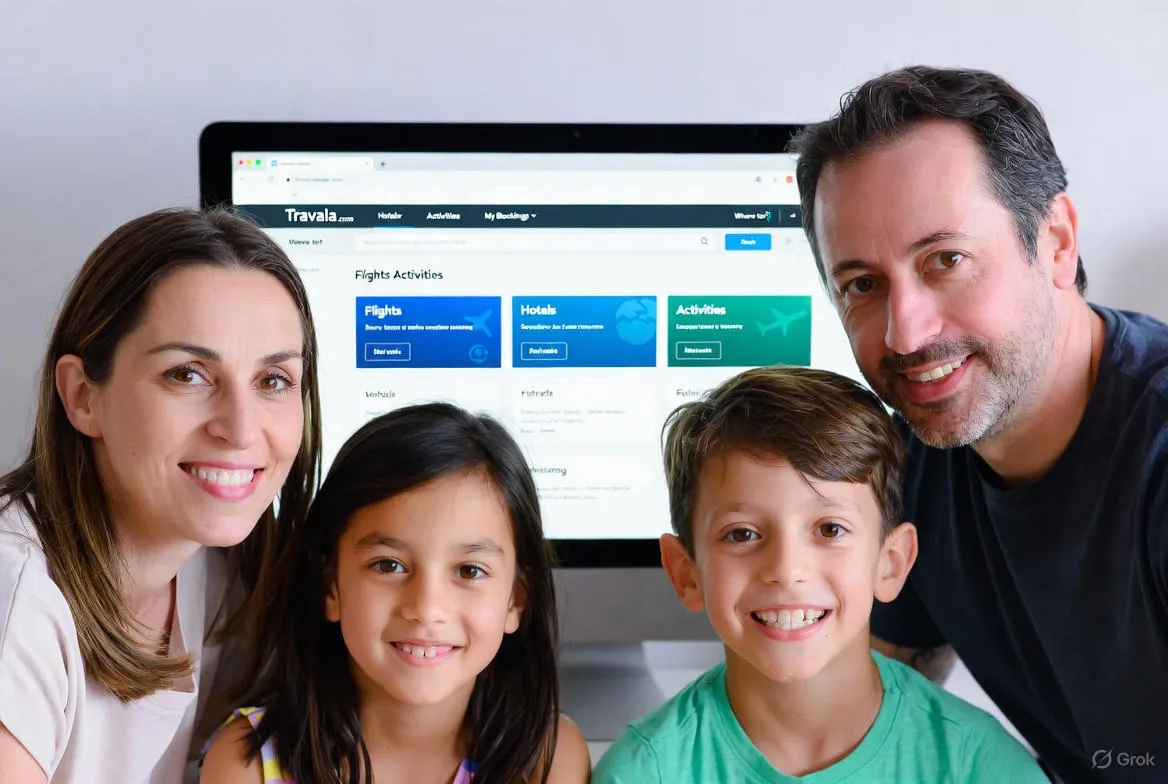
     

    Travala Webite Appears In Computer Monitor

    From Early Mover to Standard Setter

    Travala.com’s journey from “the crypto travel site everyone knows” to “the first major travel platform with RMA™ certification” marks a subtle but important evolution. It is no longer just the company that proved people would book hotels and flights with cryptocurrency. It is, increasingly, the company showing the rest of the market what it means to operate like a payments provider in a maturing industry.

    That leadership is not defined by token price or social media impressions. It is defined by the structures that remain when cycles end, attention moves elsewhere, and only the serious players are left.

    In that environment, the question for other payment providers is not whether they can replicate Travala.com’s features. Many already have. The question is whether they are prepared to match its willingness to be evaluated, measured, and held to a public standard.


    Frequently Asked Questions

    » Why is Travala.com’s RMA™ certification significant for crypto payments?

    Travala.com is one of the most visible brands in crypto travel, processing bookings with a wide range of digital assets. Its decision to undergo and pass the RMA™ assessment signals that leading payment platforms are now willing to meet higher expectations around governance, security, and operational transparency. This sets a benchmark for other Web3 payment providers.

    » Does RMA™ replace traditional certifications like SOC2 or ISO 27001?

    No. RMA™ is designed as a blockchain- and Web3-focused framework that complements, rather than replaces, traditional standards. A payment provider might pursue SOC2 or ISO 27001 to demonstrate information security controls, and RMA™ to evidence broader credibility, governance, and industry-specific risk management.

    » How does this benefit everyday users of Travala.com?

    For most users, the benefit is simple: greater confidence. While they still care about prices, loyalty programs, and available destinations, the presence of an RMA™ badge gives additional reassurance that the platform has been independently reviewed and is being operated with long-term stability and risk management in mind.

    » Should other Web3 payment platforms seek RMA™ certification?

    For teams handling user funds, processing crypto payments, or acting as key infrastructure in the Web3 economy, pursuing RMA™ can help differentiate legitimate, well-governed projects from the many short-lived or poorly managed ventures in the space. It offers both a roadmap for internal improvement and a signal to partners and users that the organization takes credibility seriously.
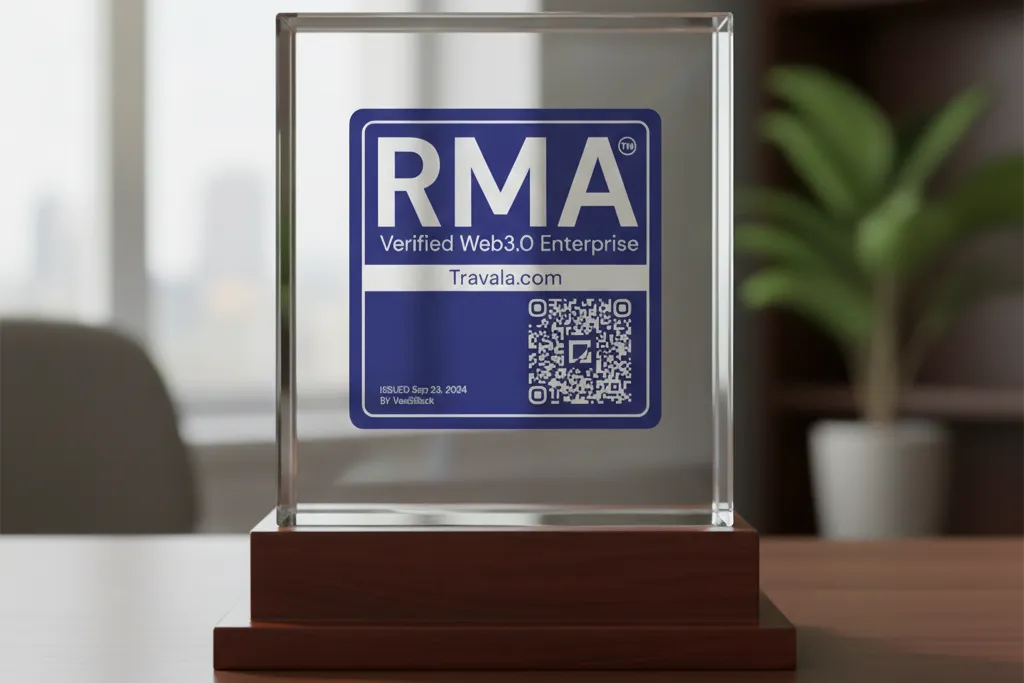
    RMA Badge For Travala


    The Next Era of Crypto Payments Will Be Defined by Trust

    Travala.com’s story is not just about booking flights with coins or paying for hotels in tokens. It is about how a company that helped pioneer crypto travel is adapting to a more demanding, more competitive, and more skeptical market.

    By choosing to pursue RMA™ certification, Travala.com has taken a stance that goes beyond marketing: that leadership in Web3 payments requires verification, not just vision. In doing so, it has given other payment providers a clear message—and a clear challenge.

    Anyone can launch a card. Anyone can promise rewards. Anyone can bolt a “pay with crypto” button onto a checkout page. But not everyone is willing to be measured against a standard.

    Travala.com has. And in a sector where users have more options than ever, that willingness to be held accountable may prove to be the most important competitive advantage of all.

  • Travala.com awarded RMA™ Certification from VaaSBlock

    Travala.com awarded RMA™ Certification from VaaSBlock

    Singapore, 26th of September 2024 – Travala.com, one of the world’s most trusted travel platforms using blockchain technology and cryptocurrencies, has been awarded the prestigious RMA™ (Risk Management Authentication) badge from VaaSBlock. This recognition highlights Travala.com’s continued commitment to security, transparency, and leadership in the evolving Web3 space. As the largest Web3 company accepting crypto payments certified thus far, Travala.com has again set a new benchmark for trust and credibility, processing travel bookings with over 100 cryptocurrencies. This latest certification further solidifies their position as a leader in the crypto payment industry.

    Juan Otero, CEO of Travala.com, on Earning the RMA™ Badge

    “The Web3 space has evolved rapidly, and with this growth comes a crucial need for accountability. Earning the RMA™ certification is a testament to our commitment to the highest standards of transparency and trust.”  Travala.com’s leadership in adopting decentralized finance makes this RMA™ certification even more significant. Their influence in the space will inspire other payment companies to consider obtaining this badge of credibility.

    VaaSBlock welcomes Travala.com to the RMA™ Network

    Ben Rogers, CEO of VaaSBlock, expressed his excitement about Travala.com joining the RMA™ Network: “We’re thrilled to see Travala.com become part of our growing list of certified companies. Their dedication to the Web3 space and their industry-leading platform brings great credibility to the RMA™ standard. We hope this leadership from Travala.com will inspire other payment companies and industry players to join the RMA Network and collectively raise the bar for trust and transparency in the crypto and blockchain space.” By joining the RMA™ Network, Travala.com gains access to a community of forward-thinking Web3 companies who share a common goal of elevating trust across decentralized industries. This certification highlights Travala.com’s commitment to security and underscores its role in advancing global Web3 adoption.  

    About Travala.com :  

    Founded in 2017, Travala.com is the leading crypto-native travel booking service with 2,200,000+ properties in 230 countries, 400,000+ activities, and 600+ airlines globally. Travala.com is a champion of cryptocurrency adoption, accepting over 100 leading cryptocurrencies alongside traditional payment methods. In addition to unbeatable prices via its Best Price Guarantee, Smart members on Travala.com can also enjoy additional discounts and loyalty rewards for eligible bookings made on the platform. For more information about Travala.com, visit: www.travala.com.

  • BOOOST awarded RMA™ Badge

    BOOOST awarded RMA™ Badge

    Seoul, South Korea, July 6th, 2024 – Booost has earned its first RMA™ badge from VaaSBlock, which provides the organization with additional credibility after meeting the required standards in all six audited areas. This audit covered corporate governance through to the technology and security of their business.

    Booost joins a small club of the best organizations verified as a service by VaaSBlock, a strong indication the team is sincere in their intentions to build and deliver their project. The VaaSBlock team was particularly impressed with Booost’s Technology and Security component during the audit. Their exceptional performance in these areas earned them far more points than usual for a project in its current stage, further validating Booost’s commitment to excellence.

    As a result of reaching the required score, Booost can proudly display their verifiable RMA™ badge wherever they see fit, including on social media, their websites, and pitch decks, to further enhance their credibility. On awarding the RMA™ Ben Rogers, Co-Founder and CEO of VasSBlock said “It was a great experience working with the Booost team on their audit. The whole team was highly engaged and eager to demonstrate the legitimacy of their team and project. We wish Jae and her whole team the very best.”

    Jae Nam, Founder of Booost said: “We are honored that Booost has earned the first RMA™ badge among such a strong group of projects. This is testament to our commitment of stability and scalability as we continue to build with passion and sincerity.” 

    The verifiable NFT can be confirmed here and issued at 06072024.

    About Booost: 

    Booost has earned its first RMA™ badge from VaaSBlock, which provides the organization with additional credibility after meeting the required standards in all six audited areas. This audit covered corporate governance through to the technology and security of their business.

    is a social app and identity infrastructure that utilizes a combination of blockchain and geolocation technology to allow users to connect with their friends, communities, events, and the world. Many social apps encourage you to stay in bed and scroll, Booost wants you to connect with your friends and spend more time with them. When you open the app, you can see a map with your friends, lists of favorite hangout places, events and other activities! Website | X| Download App