Risk Management
Last Updated
2026/10/09
RMA™
 This badge is active
Contract –  0x89584b…89bc2048
Mint date – 00/00/00
Token –  0x89584b…89bc2048/33
Announcements – 


Full Report – ✘ Not available
Learn how to verify an RMA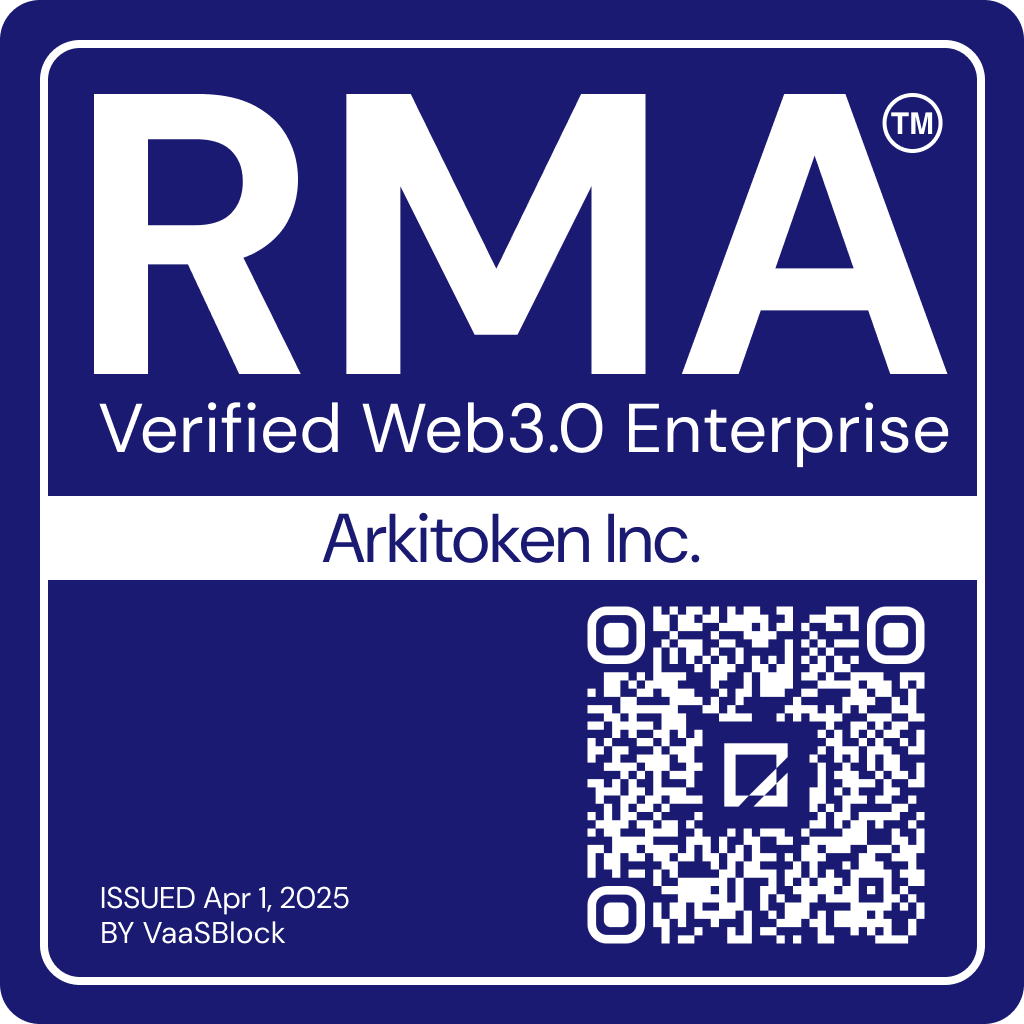
Corporate
Governance
Team
Proficiency
Technology
& Security

Revenue
Model
Results
Delivered
Planning &
Transparency
Business Registration
This badge is activeRegistration Country – US
Document Sited – Certificate of Incorporation
Registration date – 10/12/2020
Contract –  0xeedd29…ad1e49c4
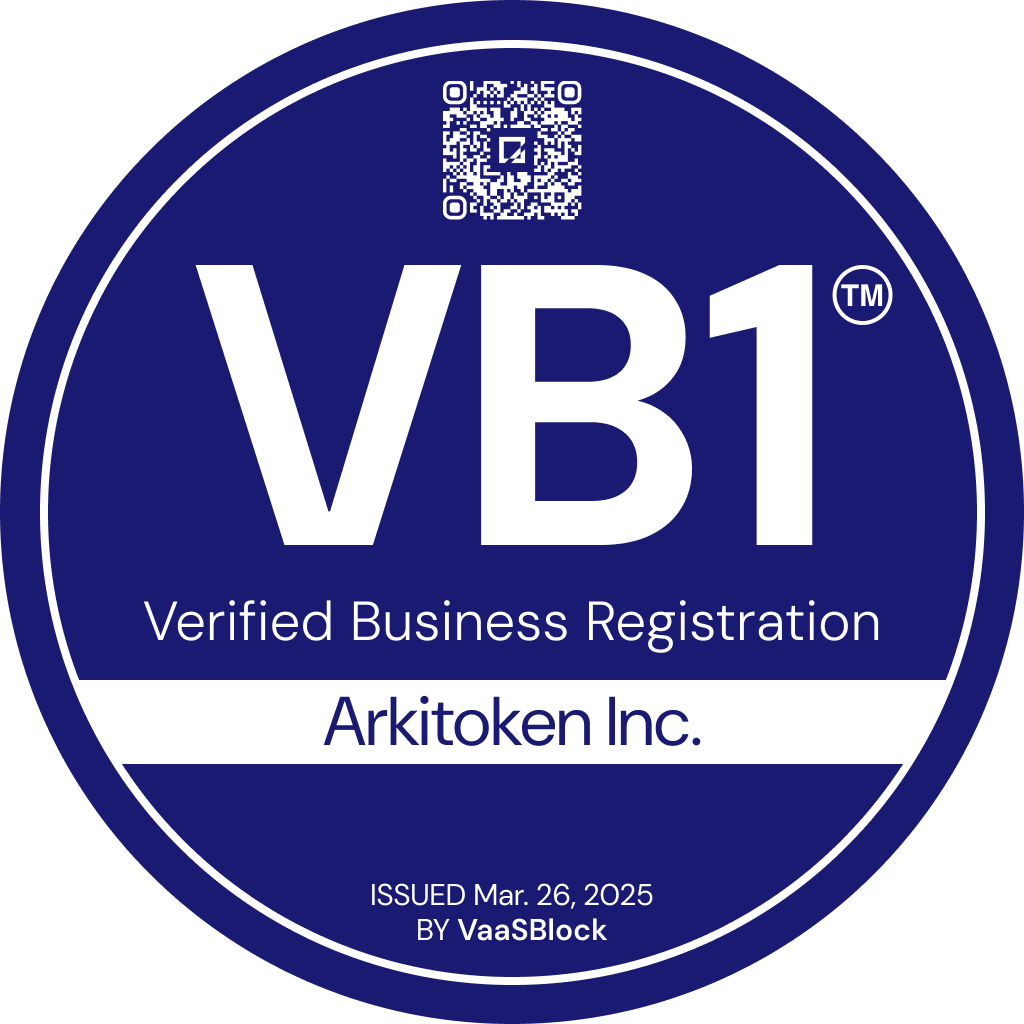
Minted: 03/26/2025
RMA™ Announcement
VaaSBlock is proud to announce that ARKITOKEN INC, the legal entity behind Bulla Network, has officially earned the Risk Management Assessment (RMA™) certification. Following a comprehensive review pr… [Read More]
Organization Representative
Mike Revy, CEO of Bulla Network
Quote
“We built Bulla to give Web3 businesses the financial clarity and operational integrity they need. Earning the RMA™ is a major milestone for us—not just as a recognition of our current practices, but as a signal to our users and partners that we are committed to the highest standards of governance, transparency, and execution.”
Technology
Website
Domain First Registered – February 2021
SSL Status – ✘ Not secure
Source Code
N/A
Marketing

Bulla Network
BullaNetwork

Bulla Network
bulla-network

Bulla Network
fZTfavP4EV
No Chain No Gain™ Podcast ⛉
This Organization is yet to join the No Chain No Gain™ Podcast and share insights on what makes their business trustable and innovative.
💡 NCNG generated over 1 Million impressions in its first six months of existence.

Background
Organization Name – Bulla Network
Category –  Payment
About
powered by irmaAI
Disclosure: VaaSBlock operates this directory and has also issued the RMA™ certification on this profile.
Bulla Network is a Denver-based Web3 accounting, invoicing, and payroll platform founded in 2020 and incorporated as ARKITOKEN INC (US incorporation verified 12 October 2020). The platform enables businesses to send invoices, manage payroll, and track on-chain payments across multiple blockchains. No token is issued. CEO Mike Revy holds the Organisation Representative designation on the RMA™ certificate.
VBTransparencyScore 39.24 places Bulla… Read More
Creation Date
October 2026
Headquarters
Denver, Colorado
Organization Maturity Level
Growing Business
RMA™ Type
Level-1
Useful Links
Website – bulla.network
Notable Achievements
2022
Public launch of Bulla Banker dApp, providing on-chain invoicing, payroll, and accounting for Web3 businesses
2023
Processed over US $2 million in monthly transaction value, marking 40× growth since initial launch
2024
Announced strategic partnership with TCS Blockchain, targeting on-chain freight invoice settlement across the $2.5 T industry
2025
Arkitoken Inc (Bulla Network) earns the RMA™ certification from VaaSBlock, exceeding standards in Governance and Team Proficiency.
Core Team

Mike Revy
CEO


Benjamin Gobeil
Web3 Developer

Mike Perez
Head of Product