
MSTR$126.15▼ 5.11%NFLX$81.02▼ 0.04%XAU$4,395.80▼ 0.80%XRP$1.37▼ 1.13%ZEC$836.74▼ 0.54%BTC$77,498.00▼ 1.59%LINK$11.35▲ 0.03%AAPL$325.32▲ 2.67%SOL$100.83▼ 2.19%WTI$80.46▼ 5.13%HYPE$81.96▼ 2.40%ETH$2,432.37▼ 1.58%LEO$9.38▼ 2.75%FIGR_HELOC$1.01▼ 3.94%BRENT$83.76▼ 1.92%GOOGL$335.69▼ 1.08%DOGE$0.0821▼ 1.20%MSFT$500.77▼ 1.29%BNB$683.62▼ 0.87%NVDA$218.58▼ 1.00%RAIN$0.0165▼ 2.93%TRX$0.3232▼ 2.96%USDS$0.9999▼ 0.01%XMR$498.05▼ 3.86%NATGAS$2.89▼ 8.25%META$581.15▲ 1.54%AMZN$254.79▼ 1.92%XAG$65.36▼ 1.31%COIN$178.15▼ 5.30%TSLA$357.10▼ 2.95%MSTR$126.15▼ 5.11%NFLX$81.02▼ 0.04%XAU$4,395.80▼ 0.80%XRP$1.37▼ 1.13%ZEC$836.74▼ 0.54%BTC$77,498.00▼ 1.59%LINK$11.35▲ 0.03%AAPL$325.32▲ 2.67%SOL$100.83▼ 2.19%WTI$80.46▼ 5.13%HYPE$81.96▼ 2.40%ETH$2,432.37▼ 1.58%LEO$9.38▼ 2.75%FIGR_HELOC$1.01▼ 3.94%BRENT$83.76▼ 1.92%GOOGL$335.69▼ 1.08%DOGE$0.0821▼ 1.20%MSFT$500.77▼ 1.29%BNB$683.62▼ 0.87%NVDA$218.58▼ 1.00%RAIN$0.0165▼ 2.93%TRX$0.3232▼ 2.96%USDS$0.9999▼ 0.01%XMR$498.05▼ 3.86%NATGAS$2.89▼ 8.25%META$581.15▲ 1.54%AMZN$254.79▼ 1.92%XAG$65.36▼ 1.31%COIN$178.15▼ 5.30%TSLA$357.10▼ 2.95%
Prices as of 17:15 UTC

Author: Priya Anand

  • Netflix’s Password Crackdown Became a 190 Million-Viewer Ad Business

    Netflix’s Password Crackdown Became a 190 Million-Viewer Ad Business

    The Number That Changes Everything

    Netflix’s Q1 2026 earnings report contained a number that reframes how the company should be understood: 190 million monthly active viewers on the ad-supported tier, with that tier accounting for more than 60% of all new sign-ups in markets where it’s available. Netflix is no longer primarily a subscription business that happens to have an ad product on the side. It is increasingly an advertising business that uses subscription revenue as its foundation.

    The Q1 results themselves were strong on every conventional metric: $12.25 billion in revenue, up 16% year over year, ahead of guidance. Operating income of $4 billion, up 18% year over year, with an operating margin of 32.3%. The subscriber base has grown to 325 million-plus globally, though Netflix no longer provides quarterly subscriber updates — a deliberate signal that the company wants investors to evaluate it on revenue and margin, not headcount. But it’s the advertising trajectory embedded in those numbers that tells the more interesting story about where Netflix is going over the next three to five years.

    The Password Crackdown as Acquisition Engine

    The password-sharing enforcement that began in earnest in 2023 is, in retrospect, one of the most successful user acquisition strategies in streaming history — not because it punished account sharing, but because it converted it. When Netflix restricted the ability to share accounts across households, it forced the question: do the people using shared accounts want Netflix enough to pay for it themselves? The answer, in tens of millions of households globally, was yes — but the version they wanted was the cheapest version, which meant the ad-supported plan.

    This dynamic produced something Netflix hadn’t anticipated at the scale it materialized: a massive wave of new paying subscribers who were cost-sensitive enough to choose ads over a higher monthly fee, and who arrived with viewing habits already established because they’d been watching Netflix on someone else’s account for years. The ad-supported tier didn’t just capture price-sensitive new customers — it captured experienced Netflix users who were already embedded in the platform’s recommendation engine, already mid-series on multiple shows, already habituated to using Netflix as their default entertainment choice.

    A newly acquired subscriber on the ad tier is a different economic animal than a subscriber acquired through organic marketing. The customer acquisition cost is lower (the password crackdown was the mechanism, not a paid ad campaign), the churn risk is lower (they’re already invested in the content), and the advertising revenue potential is higher (190 million viewers watching with ads is a large, engaged audience). The password crackdown was punitive in its framing but transformative in its outcome.

    $3 Billion in Advertising Revenue

    Netflix reiterated in Q1 that it is on track to reach $3 billion in advertising revenue in 2026, which would represent a doubling year over year. The company now works with more than 4,000 advertisers — up 70% year over year. These are not the numbers of a company testing an ad product. These are the numbers of a company building a scaled advertising business that is growing faster than almost anything else in digital media.

    For context: $3 billion in annual advertising revenue would place Netflix roughly in the territory of Snap or Pinterest as an advertising platform by total scale, while Netflix’s audience is larger and, by some measures, more premium. Netflix viewers are watching on television screens, not phone screens — a distinction that matters to advertisers because television-format advertising commands different rates than mobile-format advertising. The streaming environment carries the content association premium that linear television built its advertising model on for decades, and Netflix’s original content portfolio gives advertisers placement adjacent to prestige programming rather than user-generated content.

    The 4,000 advertiser figure also reflects something structural: Netflix has built direct relationships with a large base of advertisers rather than relying entirely on programmatic channels. Direct advertiser relationships mean better data on campaign performance, higher CPMs, and greater control over the advertising environment — the business model that premium publishers have always preferred but that the shift to programmatic advertising eroded in the 2010s. Netflix is rebuilding the premium advertising model inside a streaming context.

    The Saturation Problem and What Comes After

    Netflix faces a structural challenge that the Q1 results paper over but don’t eliminate: in its core markets — North America, Western Europe, and parts of Asia Pacific — subscriber growth is approaching saturation. Most households that want Netflix and can afford it already have it. The incremental subscriber opportunity in mature markets is smaller than it was when Netflix was in its high-growth phase, and the remaining untapped households are disproportionately price-sensitive, which means they’ll be signing up on the ad tier rather than the premium tier.

    This is not a crisis — it’s a maturation. The transition from growth-by-subscriber-acquisition to growth-by-revenue-per-subscriber is the same transition that every media business eventually makes. Cable companies, newspapers, network television: each built an audience, reached saturation, and then spent subsequent decades optimizing the economics of the audience they had rather than growing the audience itself. Netflix is entering that phase faster than its industry peers because streaming adoption moved faster than cable adoption did.

    The response to saturation is exactly what Netflix is executing: price increases on premium tiers, expansion of the ad-supported product, investment in sports and live events that create appointment viewing, and international expansion in markets — India, Southeast Asia, Latin America — where the household penetration curve still has significant room to run. The $50.7 to $51.7 billion in full-year 2026 revenue guidance reflects all of these levers working simultaneously.

    Live Sports as the Final Frontier

    Netflix’s move into live sports — the NFL Christmas Day games, WWE, and the boxing events it has programmed — reflects a recognition that the advertising business needs appointment viewing to function at premium rates. The advertising market pays the highest CPMs for content that audiences watch live, where ad-skipping behavior is lower and where the cultural moment of simultaneous viewing adds the kind of social proof that makes brand association valuable. Scripted drama and comedy generate strong viewing numbers, but sports generates the simultaneous audience that commands television’s premium rates.

    The live sports strategy is expensive — sports rights are among the most contested and expensive content categories in media — but it serves multiple business objectives at once. It creates a reason for cost-sensitive households to upgrade from ad-supported to premium tiers. It generates the appointment viewing that makes Netflix’s advertising inventory more valuable. It creates event programming that drives conversation and subscription trials. And it positions Netflix against the remaining structural advantage that traditional broadcast television has maintained: live event coverage that streaming services have historically not been able to replicate.

    The Advertising Business Netflix Is Actually Building

    The advertising product Netflix is building is distinct from what most digital advertising looks like. It is closer to what television advertising was before the internet disaggregated the audience: a small number of premium placements, adjacent to high-quality original content, watched on large screens in living rooms, at CPM rates that reflect the quality of the environment. Netflix has the content. It has the screens. It is now building the advertiser relationships and the measurement infrastructure to make the case that streaming advertising is television advertising’s successor rather than just another digital ad unit.

    The 190 million monthly active viewers on the ad tier represent an audience that rivals the reach of the largest linear television networks in their prime — reached not through a broadcast tower but through a subscription service that also happens to have advertising. If Netflix can maintain that audience, grow advertiser relationships from 4,000 to 10,000+, and prove out the measurement methodology that lets brands track the impact of Netflix advertising on brand outcomes, the $3 billion in 2026 advertising revenue is not a ceiling. It is a starting point.

    The password-sharing crackdown was supposed to be a defensive move — a way to stop revenue leakage and convert freeloaders into payers. It turned out to be the founding act of an advertising business. That’s not what Netflix planned. It might be the most valuable thing that has happened to the company in the last decade.

    The Expectation Gap That Made This Possible

    In 2019, Netflix’s official position was that it would never introduce advertising. The company had built its brand identity around being the premium, ad-free alternative to cable television. Reed Hastings said publicly that the ad model was a complexity they didn’t need. The subscriber base had been sold, implicitly, on the promise that the subscription price was the transaction: you pay, you watch, nobody interrupts.

    What changed wasn’t the technology or the advertising market. What changed was the expectation. Netflix subscribers in 2022 who wanted to keep watching but didn’t want to pay the new price were offered something they could tell themselves was a choice — a cheaper plan with ads. The framing was consumer-friendly. It didn’t feel like Netflix had lied about ads; it felt like Netflix had added an option. The psychological distance between “we will never do ads” and “here is an ad-supported tier you can choose” is small in the execution and large in how it was experienced by the people who chose it.

    The 190 million viewers on the ad tier are not primarily people who were angry about a broken promise. They’re people who made a cost-benefit calculation and decided the ads were worth the price reduction. Most don’t remember the promise. It was made in 2019 to a different customer segment at a different price point; many people signing up for the ad tier in 2025 and 2026 are new or returning lapsed subscribers who never heard it. Memory is short, especially when the product is good and the alternative is paying more.

    What 190 million ad-tier viewers means is that the expectation gap has been fully absorbed. The people who were going to cancel over ads have cancelled. The people who were going to accept ads have accepted them. The industry-level shift we noted when 68% of streaming subscribers moved to ad tiers has now reached its natural equilibrium inside the platform that led it.

    The Password Crackdown Was Always a Forced Opt-In

    Seth Godin’s permission marketing framework distinguishes between advertising the audience seeks and advertising that interrupts. Netflix’s ad tier is neither. It is something more useful: advertising the audience accepted in exchange for a price point they preferred.

    When the crackdown hit, households faced a binary. Pay the full subscription price for their own account, or take an ad-supported plan at a lower rate. Most chose the lower rate. That choice wasn’t enthusiasm for advertising — it was a preference for a specific price. What this tells you about the 190 million monthly actives is that nearly two-thirds of Netflix’s viewing base had revealed a price sensitivity that wasn’t visible when they could share accounts. Netflix’s enforcement was, in effect, a forced discovery mechanism: an involuntary opt-in that exposed massive demand for cheap streaming that existing subscription pricing had never served.

    When placed alongside Netflix’s Q1 2026 revenue mix trajectory, the 190 million figure reveals a structural shift in the subscriber base that advertising yield forecasts have not yet fully priced. The investor disclosures track this as advertising revenue. What the numbers also track is the quality of the attention those 190 million viewers give to ads in a context where they chose the price tier, not the ads. Industry forecasts for streaming ad revenue assume CPM rates that depend on premium attention signal. Whether the forced opt-in ad-tier viewer produces that signal at the same rate as a viewer who actively chose an ad-supported service is the test Netflix’s advertising business has not yet had to answer at scale.

  • Jack Ryan: Ghost War Closed Amazon’s Longest Prestige Bet

    Jack Ryan: Ghost War Closed Amazon’s Longest Prestige Bet

    The Spy Thriller That Built Prime Video’s Prestige Case

    Tom Clancy’s Jack Ryan premiered on Prime Video in August 2018 and did something streaming originals often struggle to do: it gave Amazon a genuine appointment viewing series, a show that subscribers specifically cited when asked why they maintained a Prime Video subscription rather than treating it as a free add-on to Prime shipping. The first season averaged over eight million viewers in the US in its opening weekend — numbers that Amazon reported, and verified through third-party measurement, at a time when most streaming platforms were still protecting their viewing data behind the claim that viewership metrics were proprietary.

    Jack Ryan: Ghost War is the fifth and final season. It’s on Prime Video now. Jack Ryan is finished, and what it leaves behind is a case study in what prestige espionage television costs, what it produces, and what the streaming platforms that fund it at that cost are actually buying.

    What $200 Million Per Season Buys

    Jack Ryan’s production costs have been estimated at $150-200 million per season across its run — a range that puts it among the most expensive television series ever produced. That budget is visible in the production: location shooting across multiple continents, action sequences designed for theatrical staging rather than television approximation, and the casting of John Krasinski as Ryan followed by Michael Peña in the final season. The show looks like a movie that happens to arrive on a streaming platform rather than a streaming production that aspires to movie production values.

    The question the budget raises for any streaming platform is whether the viewing audience a prestige production of this scale attracts justifies the cost over a service-level cheaper-but-comparable alternative. Prime Video’s answer for Jack Ryan, across five seasons and eight years, has been yes — the show served as a front-door series, a title that potential subscribers mentioned when explaining why they paid for Prime Video independently of the shipping and retail benefits. That’s a specific kind of value that viewership numbers alone don’t capture: the acquisition value of being the reason a subscriber signs up rather than the content a subscriber watches after signing up for other reasons.

    As the final season arrives, the calculation shifts. Prime Video no longer needs Jack Ryan to acquire subscribers — the platform has a broad enough content library that its subscriber value proposition doesn’t depend on any single series. The question now is what the series leaves behind as a cultural artifact and what its conclusion says about the type of content Amazon is willing to fund at this budget level going forward.

    The Prestige Spy Thriller in 2026

    The spy thriller as a prestige streaming format has had a significant few years. Slow Horses on Apple TV+ — lower-budget, more literary, deeply character-driven — has become the critical benchmark for what the genre can do when freed from the obligation to justify $200 million in production costs through spectacular action sequences. The Night Agent on Netflix launched Season 2 to massive viewership. Prime Video itself has The Bourne Franchise rights and has been developing additional Clancy IP.

    Jack Ryan’s ending comes as the genre is at its most competitive. The show that pioneered streaming prestige espionage in 2018 is being succeeded by a generation of spy thrillers that learned from its template and in many cases refined it. Slow Horses refined the character depth. The Night Agent refined the accessibility. Severance — not a spy thriller, but the type of prestige Apple TV+ series that Jack Ryan’s model made possible — refined the ambiguity. The genre Jack Ryan helped establish has produced competitors that serve audience segments the show itself was never designed to reach.

    Ghost War, the final season, reportedly takes Ryan’s story in a direction that brings the character’s arc to a conclusion rather than leaving it open for a hypothetical Season 6. That’s a production and narrative decision that reflects confidence in the ending rather than hedging against potential cancellation. Amazon and Paramount Television Studios, the production partners, chose to close the story on their own terms rather than leaving it open. Whatever the quality of Ghost War specifically, that creative choice reflects the institutional confidence that comes from a show that has consistently performed for eight years.

    Michael Peña as Jack Ryan

    The season 5 casting of Michael Peña as a new actor in the Jack Ryan role — following John Krasinski’s four-season run — is the production’s most significant creative risk. The James Bond franchise has navigated actor transitions seventeen times over sixty years. Streaming series with strong lead actor associations have a much shorter track record of surviving transitions. The two audiences most likely to be affected are the Krasinski-loyal viewers who subscribed to Jack Ryan specifically for his version of the character, and the new viewers who might be attracted to Peña’s casting but don’t have established loyalty to the franchise.

    Peña brings a specific energy that is different from Krasinski’s in meaningful ways. Krasinski’s Ryan was the everyman analyst pushed into field work — the surprise in the performance was the gap between the character’s visible ordinary intelligence and the extraordinary situations he handled. Peña’s established screen presence is higher energy, more physically immediate, with a charisma profile that suggests the character’s Ryan will be less defined by the everyman quality and more by a specific competence register. Whether that fits the final season’s narrative — and whether the audience accepts a new actor inhabiting the role for a conclusion — is what reviews and viewership data will establish.

    What Ghost War’s Streaming Position Means

    Ghost War arrives in a streaming landscape where completion rates and first-episode hook matter more than they did when Jack Ryan launched in 2018. The average attention window available to a new streaming series episode is shorter than it was eight years ago, partly because there is more content competing for that attention and partly because streaming platforms have trained their audiences to sample rather than commit. A fifth season of an established franchise has the brand advantage of prior audience familiarity, but it also faces the fatigue of viewers who watched four seasons and are deciding whether the fifth is worth their time when they have Spider-Noir, Rick and Morty Season 9, and everything else available this week.

    The platform’s answer to that competition is the same answer it’s always been for prestige television: make the thing good enough that the audience chooses it. Ghost War’s critical reception will determine whether it can compete for attention in the week of its release and in the long tail of viewership that streaming series accumulate after their initial weeks. A strong ending to an eight-year franchise is its own cultural event if the execution justifies it.

    Jack Ryan started a conversation in 2018 about what streaming prestige espionage could be. Ghost War ends it. The question is whether the ending earns the eight years of investment — from Amazon’s budget, from the creative team’s time, and from the audience’s attention. Prime Video has the show ready. The audience decides the rest.

    What Eight Years of $200M Buys and What It Doesn’t

    Strip the marketing language from eight years of Jack Ryan and what you have is a streaming platform’s attempt to answer one question: can a prestige espionage franchise, built from scratch inside a streaming service, earn the kind of cultural weight that network television built over decades with procedural crime and network drama? The budget — $200M per season at the reported figure — is large enough to ask the question. Whether Ghost War answers it depends on execution, not budget.

    What the budget bought is clear enough from the first three seasons. Production value: location shooting on multiple continents, practical action sequences, a performance from John Krasinski that read as genuinely inhabited rather than cast-for-name. A committed creative team. An audience that, while not enormous by streaming’s most-viewed-ever metrics, was loyal enough to sustain three renewals and a fourth commission.

    What the budget did not buy is the thing money cannot buy in television: a finished cultural conversation. The shows that become reference points — cited years later as the thing that defined a moment — earn that status through the specificity of what they said, not through the scale of what they spent. Jack Ryan has been a technically proficient show that produced admirable seasons without producing the moment that would define the franchise the way certain shows define their genres. Ghost War has one chance to supply that moment. Whether the finale delivers it will determine whether the eight-year investment reads, in retrospect, as the cost of building something durable or the cost of building something that ran its natural course.

    Prime Video’s streaming-economics position is better served by the second reading — a show that completed its arc on its own terms is a different asset than a show that was cancelled — but the audience’s experience of the ending is what actually shapes the cultural record. The $80M Wuthering Heights bet on HBO Max is asking a similar question about whether the prestige investment earns cultural weight, at an earlier stage of the same cycle. One of these bets will have an answer before the other. Ghost War gets there first.

    The Prestige Bet Returned Its Investment in Ecosystem Effects, Not Direct Revenue

    Jack Ryan Ghost War final season Prime Video 2026

    Andrew Chen writes about growth loops — mechanisms that make one acquisition event generate multiple downstream retention events. Jack Ryan operated as the growth loop that gave Prime Video permission to be a serious streaming platform in the same conversation as Netflix and HBO.

    Amazon’s streaming business does not disclose show-specific revenue. What it discloses, through investor communications, is that Prime membership has grown consistently even as the streaming market fragmented. Jack Ryan was one of the shows that gave Prime Video viewers a reason to install the app and stay. The growth loop ran: prestige drama acquisition → member install → cross-sell (shopping, music, devices) → retention. The show’s actual revenue was beside the point. Its contribution to the membership value proposition was the return.

    Ghost War’s finale marks the end of that loop iteration. What industry reporting on Amazon’s content strategy suggests is that the platform has decided its existing membership base is the primary audience to serve rather than the prestige drama audience it was acquiring in 2018. That is a reasonable transition once the acquisition phase is complete. The next generation of Prime Video content will look different from Ghost War — less $200M prestige drama, more sports, live events, and IP-driven content including franchises like Spider-Noir that operate at lower production cost within established characters. The audience Ghost War built is now the audience that IP-driven content has to retain.
  • Streaming Became Television: 68% of Subscribers Now Choose Ad Tiers, and the Industry That Promised to Kill Ads Has Fully Surrendered

    Streaming Became Television: 68% of Subscribers Now Choose Ad Tiers, and the Industry That Promised to Kill Ads Has Fully Surrendered

    The Promise Is Gone. The Business Is Better For It.

    Netflix launched in 2007 with a premise so simple it felt like a manifesto: good content, no ads, one price. The pitch was a clean break from cable, from broadcast television, from a model that had trained an entire generation to accept commercial interruption as the price of free entertainment. Streaming wasn’t just a new distribution method. It was supposed to be the end of advertising inside the viewing experience.

    Streaming Became Television: 68% of Subscribers Now Choose Ad Tiers, and the Industry That Promised to Kill Ads Has Fully Surrendered

    In 2026, 68% of streaming subscribers globally use ad-supported tiers. Netflix’s ad plan has more than 250 million monthly active viewers. Over 60% of new Netflix signups in the twelve countries with ad tier availability choose the cheaper, ad-supported plan. HBO Max reports that 50% of global retail gross additions are taking the ad-supported tier. At Disney+, ad-supported usage rose from 35% to 44% in the past year. The industry didn’t kill television advertising. It rebuilt it, on better infrastructure, for more targeted delivery, and at higher margins than the old model ever produced.

    The question worth asking isn’t why this happened — that’s straightforward economics. The question is what it means for how streaming platforms now think about their business, their content, and the experience they’re selling.

    The Economics That Made the Pivot Inevitable

    The subscriber-only model had a ceiling that became visible around 2022. Netflix’s first public subscriber loss in over a decade — 200,000 net in Q1 2022 — forced the question that the industry had been avoiding: at saturation, where does the growth come from? The answer from every major platform converged quickly: price the ad tier below the subscription tier, capture the price-sensitive segment that was either churning or never subscribing, and monetize that audience through advertising rather than subscription fees.

    The math favors advertising in ways that weren’t obvious in 2015. A subscriber paying $7.99 for the ad tier generates the subscription fee plus whatever the platform earns from advertising against that viewer. Netflix’s targeting capabilities — built on the most detailed viewing data in the history of entertainment — allow advertisers to reach audiences with a specificity that linear TV never could. A forty-year-old in Austin who watches prestige drama on weeknights and true crime on weekends is an audience of one in linear television terms. In Netflix’s ad platform, that’s a precise demographic target that commands a premium CPM from advertisers who want exactly that profile.

    Netflix is projecting $3 billion in ad revenue for 2026, up from $1.5 billion in 2025. The $9 billion target by 2030 implies ad revenue will be a primary growth driver for the next decade. These are not aspirational numbers. They’re the output of a platform that has already crossed the critical mass threshold — 250 million monthly active ad viewers — that makes Netflix’s ad business comparable to the largest television networks in history.

    What 250 Million Ad Viewers Actually Means

    In the television business, scale is the argument that justifies the ad rate. Networks charge what they charge for primetime because they can prove how many people are watching. The measurement problem that plagued digital advertising for years — the inability to independently verify that ads were seen by real humans, in real contexts, to real effect — has been largely solved at the streaming layer through verified authentication. Every Netflix account is a real person who paid to access the service. The ad viewer is verified in a way that banner advertising never was.

    250 million monthly active viewers who are authenticated, verified, and whose complete viewing history is known to the platform is an advertising asset with no precedent in the history of media. Television had broad reach and limited targeting. Digital advertising had narrow targeting and questionable reach verification. Netflix has both, at scale, with first-party data that doesn’t depend on third-party cookies or probabilistic audience modeling.

    Advertisers have noticed. Netflix’s upfront commitments for 2026 — the annual deals where brands commit spending in advance — were the largest in the company’s advertising history. The brands that resisted Netflix advertising two years ago on the basis that the audience was too fragmented or the measurement wasn’t comparable to TV are now in the room, because the audience has grown large enough that absence from the platform is a genuine strategic risk.

    The Experience Question

    The obvious tension in the ad tier’s success is the experience. The subscriber-only pitch was explicit: pay more, watch without interruption. The industry has carefully managed the volume and placement of ads on streaming platforms in ways that linear TV never did — a Netflix ad load is typically four to five minutes per hour, compared to sixteen to twenty minutes per hour on broadcast. The interruptions are less frequent, shorter, and more targeted. Whether that constitutes a qualitatively different experience is genuinely contested.

    The data suggests most subscribers have made a pragmatic peace with it. Retention rates on ad tiers at Netflix and HBO Max are comparable to ad-free tier retention, which means the churn-driven downgrade from ad-free to ad-supported isn’t immediately followed by cancellation. Subscribers who switch to the ad tier tend to stay, which means the experience is acceptable enough for the price differential to be the dominant factor in their decision.

    The platforms have also been thoughtful about ad format innovation. Netflix’s pause ads — static display ads that appear when a viewer pauses content — generate positive brand recall without interrupting the viewing experience. The binge interruption ad, which appears at natural episode breaks, is less intrusive than a mid-show break. These formats didn’t exist in television because television couldn’t implement them technically. Streaming can, and the measurement of their effectiveness is built into the platform’s data infrastructure.

    What Netflix’s $20 Ad-Free Plan Is Really Saying

    In May 2026, Netflix raised its standard ad-free plan to $20 per month in the United States. That’s not the price of a service that wants its premium subscribers to stay at that tier. It’s the price of a service that has decided the ad-supported tier is its primary product and the ad-free tier is a premium option for the segment that values it enough to pay significantly more.

    The $20 ad-free plan is a separation device. It tells the price-sensitive subscriber clearly that the economic choice is the ad tier, and it tells the brand-conscious subscriber that premium access is available at a price that explicitly signals its value. The platform captures the ad revenue from the majority who choose the cheaper plan and the premium margin from the minority who pay for the premium product.

    It’s the same two-tier model that cable built, except inverted. Cable’s base tier had ads; premium channels (HBO, Showtime, Starz) were the ad-free upgrade. Netflix started at the premium position and is now offering the ad-supported base tier as the growth product. The destination is the same. The history got there from the opposite direction.

    HBO Max and the Late Arrival That Wasn’t

    HBO’s original resistance to advertising was institutional — the brand was built on “It’s Not TV. It’s HBO,” a positioning that explicitly differentiated the service from advertiser-supported television. The migration to HBO Max, and then to the ad-supported tier of HBO Max under Warner Bros. Discovery’s management, looked like a dilution of the brand to critics who valued the original positioning.

    The Q1 2026 results suggest the concern was misplaced. HBO Max’s subscriber-related revenue grew 8% excluding foreign exchange impact. The service added 4.9 million subscribers year over year. The international expansion into Germany, Italy, the UK, and Ireland is performing ahead of internal expectations. The ad-supported tier at 28% of active accounts — lower than Netflix’s penetration, but growing — is generating incremental revenue from a subscriber base that would otherwise be paying less for the premium tier.

    The HBO brand didn’t collapse when the ad tier launched. The audience that values HBO’s content proposition enough to subscribe is largely willing to pay for ad-free access; the audience that comes in through the lower price point is additive rather than cannibalistic. That’s the outcome the market structure was always going to produce, and the data now supports it.

    The Industry Netflix Built Is Now the Industry It Runs

    The streaming industry in 2026 is more similar to the television industry of 2000 than any of its founders would have predicted or wanted to admit. There is a premium tier. There is an ad-supported tier. There are upfront commitments, CPM negotiations, and brand safety conversations. The content is better, the targeting is more sophisticated, and the measurement is more reliable. But the underlying commercial logic — reach audiences, sell that reach to advertisers, use the revenue to make more content — is the same logic that built CBS and NBC.

    The platforms that resisted advertising longest have now adopted it most enthusiastically, because the math always worked. The question was never whether streaming would eventually carry ads. The question was how long the subscriber-only window would last and how large the ad-free premium would need to be to sustain a meaningful premium tier. Both questions now have answers.

    Netflix didn’t kill television. It rebuilt it in a way that’s better for advertisers, better for data-driven content decisions, and better for shareholders. Whether it’s better for the viewer who originally subscribed to escape advertising is a question each subscriber answers individually when they choose which tier to pay for.

    Sixty-eight percent have already answered it.

    The Discipline The Streaming Industry Has Been Avoiding

    The 68% ad-tier adoption number is the streamers’ bill arriving for years of pretending the subscription-only model was viable at the scale they kept promising investors. The discipline they avoided is the discipline of pricing the actual product at the actual cost of producing it. Instead they ran a model where premium pricing was subsidised by content spending the unit economics did not support, and they pushed the day of reckoning forward through three cycles of justification.

    The reckoning is now here. The 68% is what it looks like. The streamers will frame this as “consumer choice” or “tier flexibility.” Both phrases obscure the operational truth. The truth is that the streamers built businesses where the paying customer at the previously-marketed price was the customer they needed, and that customer has now told them, by the millions, that the price was not worth the product. The ad tier is the streamers acknowledging the gap.

    The discipline question is what each platform does next. Three honest paths exist. Path one: keep the ad tier as the long-term default and rebuild the business around it, accepting lower per-customer revenue and adjusting content spend down to match. Path two: invest seriously enough in the premium tier that it justifies the price you have been charging, and accept that this requires hits that did not arrive in the prior cycle. Path three: consolidate. Combine with another platform whose content library complements yours and offer a bundle that does justify the price, even if neither platform could alone.

    Most of the industry is going to choose path one because it requires the least operational change. The platforms that choose path two or path three will, in five years, look like the disciplined ones. Discipline equals freedom — and the platforms that pretend the ad-tier shift is a flexibility win rather than a discipline failure will discover, slowly, that they have made it harder to ever charge premium pricing again. The same dynamic visible in YouTube taking the streaming-viewership lead — the platform that priced its product honestly from the start now sets the floor everyone else has to compete against.

  • Wuthering Heights Is Now on HBO Max: The $80M Choice That Said More About Cinema Than Any Film This Year

    Wuthering Heights Is Now on HBO Max: The $80M Choice That Said More About Cinema Than Any Film This Year

    The Deal That Wasn’t About Money

    In early 2025, two studios were bidding for Emerald Fennell’s Wuthering Heights. Netflix offered $150 million. Warner Bros. offered $80 million. Fennell and Margot Robbie chose Warner Bros. The reason, reported and confirmed by multiple outlets: they wanted the film in theaters first. LuckyChap Entertainment, the production company Robbie runs with Tom Ackerley, has a first-look deal with Warner Bros. built on the back of Barbie. But this wasn’t contractual obligation — it was a decision about what the film was supposed to be.

    Wuthering Heights Is Now on HBO Max: The $80M Choice That Said More About Cinema Than Any Film This Year

    That decision now resolves. Wuthering Heights completed its theatrical run and is streaming on HBO Max as of this week. The film that opened February 13, arrived in the cultural conversation via Fennell’s reputation and the weight of its cast, divided critics sharply, and earned a 6.2 on IMDB — a score that reflects a film that generates strong opinions rather than easy consensus — is now available to the full streaming audience. The second act of its cultural life begins now.

    Fennell After Saltburn

    Saltburn (2023) established Fennell as one of the more dangerous directors working in prestige film. It was a thriller about class, obsession, and manipulation that climaxed in ways that genuinely shocked audiences who thought they’d seen prestige film do its worst. The film was divisive in exactly the way Fennell seems to want — people who loved it talked about almost nothing else for a month; people who hated it found it pretentious and calculated. Neither camp was entirely wrong.

    The case for Saltburn was that it used genre mechanics to expose something real about class and desire in Britain. The case against was that it prioritized provocation over character, that the twists revealed a film more interested in the reveal than in the people being revealed. Both readings are coherent. Fennell directs from a visual intelligence that is unmistakable; whether the underlying material justifies the aesthetic is where audiences disagree.

    Wuthering Heights is, in this context, the most natural literary match she could have chosen. Emily Brontë’s novel is already about obsession, class resentment, generational cruelty, and a love that cannot distinguish itself from destruction. It is not a romantic novel in any consoling sense. The relationship between Catherine Earnshaw and Heathcliff is one of the most clearly articulated portraits of codependent, self-destructive attachment in the English language. What Fennell does with source material is compatible with what Brontë built into the original.

    The Casting

    Margot Robbie as Catherine Earnshaw. Jacob Elordi as Heathcliff. The casting answers before the film asks the question. Robbie has spent the last several years demonstrating that she can carry a film that demands more than physical presence — Barbie established it commercially, but her performance in that film was doing something technically harder than most of its audience realized: playing a character who exists at the intersection of sincerity and irony without collapsing into either. Catherine Earnshaw demands something different — a character who is genuinely cruel and genuinely irreplaceable in someone else’s psychological landscape simultaneously.

    Elordi arrived at Heathcliff through Saltburn, where he played Felix — the object of obsession rather than the one obsessing. Playing Heathcliff flips the dynamic. Heathcliff’s obsession is the engine of the novel, but Brontë wrote the character’s interiority at a remove, through the eyes of other characters. Elordi’s job is to make the obsession legible without Brontë’s prose doing the interpretive work. That’s a different acting challenge than Saltburn required of him, and the reviews from theatrical release suggest he handled it with more nuance than the IMDB score implies.

    The 6.2 is worth contextualizing. Literary adaptations with strong aesthetic vision tend to produce polarized IMDB scores because the audience splits between people who brought expectations from the source material and people who came to the film clean. Wuthering Heights adaptations have a particular challenge: the novel’s fans are possessive about which version is definitive, and Fennell’s approach — which is clearly not interested in being a faithful costume drama — will generate rejection from audiences who wanted exactly that. The score reflects the collision, not a consensus assessment of quality.

    The HBO Max Window

    The streaming availability changes the film’s audience profile significantly. The theatrical release concentrated viewers in markets where prestige film performs — major cities, film festival adjacents, the audiences who show up for Fennell specifically. HBO Max expands that to subscribers who might never have sought the film in theaters but will watch it because it’s there and they’ve heard about it.

    The discourse on streaming platforms tends to be noisier and faster than the theatrical discourse. Theatrical review culture has enough lag that a film can establish a reputation before the worst takes arrive. On streaming, the hot take cycle and the thoughtful analysis run simultaneously, and the algorithm rewards the take that generates engagement rather than the take that’s most accurate. Films that are genuinely divisive — like Wuthering Heights apparently is — tend to find their audience and their opposition simultaneously, at volume.

    The bet Fennell and Robbie made by turning down Netflix’s $150 million is now being tested in the medium they gave a discount to use. If the film is as good as its defenders argued in theatrical reviews, the streaming audience will eventually produce that consensus. If the detractors are right that it’s a beautiful film that doesn’t justify its aesthetic ambition with story substance, the broader viewership will confirm that quickly.

    What the $150M Netflix Offer Was Really About

    Netflix bidding $150 million for Wuthering Heights in 2025 tells you something about the state of the streaming content market that isn’t primarily about this film. Netflix has a particular problem with literary IP: the prestige audience it wants to attract with awards-bait content is also the audience most likely to abandon Netflix for a competitor if the competitor has better prestige content. Securing Fennell’s next film after Saltburn, with Robbie attached, with the Brontë estate involved — that’s a bid for the cultural conversation, not just for a single film’s viewership numbers.

    The $70 million gap between what Netflix offered and what Warner Bros. offered is the implicit value Netflix assigned to the exclusivity of having the film. Warner Bros. offered $80 million to acquire the film for theatrical distribution, which would eventually flow to HBO Max through the standard output deal. Netflix was offering $150 million to keep it off theatrical entirely and put it directly on the platform. Fennell and Robbie decided the $70 million difference wasn’t worth what they’d lose by bypassing theaters.

    That decision is a specific kind of creative statement. It’s a refusal to let the distribution strategy define the experience. A film built for a cinema — for a large screen, in a dark room, with an audience that paid to be there — experiences differently than the same film watched on a laptop at 11pm. Whether it should experience differently, and whether that difference matters, is a question the industry keeps debating without resolving. Fennell and Robbie answered it for this film the way filmmakers have always answered it: by choosing theaters.

    LuckyChap and What Comes Next

    LuckyChap Entertainment — Margot Robbie and Tom Ackerley’s production company — now has two films in the cultural conversation simultaneously: the ongoing streaming legacy of Barbie (which redefined what a blockbuster could do in 2023) and Wuthering Heights. The range is impressive. Barbie was a maximalist IP adaptation that used its premise to say something about femininity, expectation, and the gap between representation and reality. Wuthering Heights is a dark literary adaptation in the Fennell mode — controlled, aesthetically intense, interested in uncomfortable emotional territory.

    Both films were commercial in different ways. Barbie was a global phenomenon. Wuthering Heights was a prestige theatrical release with a streaming future — a different commercial model that serves a different part of the audience. LuckyChap is building a slate that can operate at both registers. The first-look deal with Warner Bros. means that future projects stay within the WB/HBO Max ecosystem, which gives that ecosystem something it has struggled to maintain: a producer with genuine cultural credibility and a track record of making films people argue about for reasons that matter.

    Streaming It This Week

    The practical argument for watching Wuthering Heights on HBO Max now, if you have a subscription, is simple: the film is arriving in the streaming conversation at the moment when the theatrical conversation has formed opinions you can test against. You know going in that the film is visually striking, that Fennell is not playing it safe, that the IMDB score reflects audience division rather than audience rejection, and that the people who love it love it with the specific intensity that Brontë’s source material tends to generate in readers who connect with it.

    You know the Heathcliff question — whether Elordi’s performance delivers the character’s interior life without Brontë’s narration — is the axis most reviews turn on. You know the debate about whether Fennell’s aesthetic vision justifies itself or outruns its story is live and unresolved. You’re going in with context, which means you can have an opinion rather than just a reaction.

    The film Fennell made when she turned down $70 million extra to protect the theatrical experience is now on the platform it eventually had to reach. What it means for the conversation about streaming, theatrical windows, and where prestige film actually lives will depend partly on what happens to the film’s reputation over the next few months as the broader audience encounters it for the first time.

    The first screening was February 13. The streaming premiere is now. The argument about whether it was worth it is the one worth having.

    What An $80M Period Drama Actually Tests

    I spent some time looking at what HBO Max needed to be true about its audience to justify spending $80 million on a Wuthering Heights adaptation. The numbers behind the decision are more revealing than the marketing language around it.

    The platform’s modelling for a project at this budget level rests on three assumptions. First, that there is a measurable audience for high-production-value classical-literature adaptations large enough to move subscription retention in the markets the production is greenlit for. Second, that the casting choices — Margot Robbie, Emerald Fennell directing — pull a wider attention pool than the source material does on its own. Third, that the production carries enough prestige weight to drive critical coverage that affects awards-season positioning, which compounds across HBO Max’s broader slate.

    The first assumption is the one that has historically been wrong. Period drama at this budget tier sits in an awkward commercial valley — too expensive to be a niche-prestige bet, not broadly enough appealing to justify event-television economics. The shows that have worked in this slot are rare and their successes have been hard to repeat with predictable inputs. The shows that have failed have mostly been failures of audience-size assumption rather than failures of quality.

    The platform’s bet, with this specific production, is that the casting plus the direction plus the timing plus the Wuthering Heights brand recognition is enough to escape the historical pattern. That bet is the same shape as the bet Netflix made on The Boroughs — the assumption that producer/director brand can carry the audience into a setting the audience would not otherwise choose. The Boroughs is the comparison set, not the prior period-drama failures. How HBO Max evaluates this internally over the next ninety days reveals whether the bet pattern holds across two adjacent platforms or fails on both.

  • YouTube Is Now the Most-Watched Streaming Platform on Television. The Free Model Just Beat the Subscription Wars.

    YouTube Is Now the Most-Watched Streaming Platform on Television. The Free Model Just Beat the Subscription Wars.

    YouTube Is Now the Most-Watched Streaming Platform on Television. The Free Model Just Beat the Subscription Wars.

    YouTube has surpassed Netflix as the most-watched streaming platform on television screens in the United States, capturing approximately 13% of total TV viewing time compared with Netflix’s 9%. This isn’t a close race — it’s a structural reversal. The company that invented subscription streaming, raised prices annually, fought password-sharing, and invested $17 billion in content last year is now second to a free platform that has never produced a scripted series. YouTube CEO Neal Mohan declared in 2026 that “YouTube is the new television” — and the Nielsen data backs it. The billion-dollar question for the streaming industry is what this means for the subscription model that every platform from Disney to Apple has bet its future on.

    The Numbers That Reframe the Streaming Wars

    The 13% vs 9% TV viewing share comparison needs context to land with full weight. Nielsen’s total TV measurement tracks every minute of viewing across broadcast, cable, and streaming platforms. YouTube now accounts for 13% of that total, making it the single largest streaming platform by viewing time on TV screens — not just on mobile, where YouTube has always dominated, but on the living room television that networks and streaming services have treated as their primary battleground.

    Netflix finished December 2025 with a 9% share of TV viewing. That’s a meaningful gap — 13% to 9% represents roughly 44% more viewing time on YouTube than Netflix, among a population of viewers who are watching on TV screens rather than laptops or phones. For context, Disney+ and HBO Max are well below both, competing for single-digit percentage shares.

    The broader streaming category captured 47.5% of all TV viewing in December 2025 — the highest share ever recorded. Traditional broadcast and cable now represent less than half of American TV viewing, a threshold that would have seemed impossible to cross a decade ago. Within that streaming majority, YouTube’s position as the single largest platform means the platform that disrupted television didn’t come from Hollywood — it came from San Bruno, California, and was built by teenagers filming gaming videos and makeup tutorials.

    Why Free Beat Subscription

    The mechanism behind YouTube’s TV viewing dominance is worth examining precisely because it runs counter to what the streaming industry bet on. Netflix’s playbook — premium content, ad-free subscription, exclusive releases — became the template that Disney+, HBO Max, Apple TV+, and Peacock all followed to varying degrees. The implicit assumption was that television viewers would pay for content they couldn’t get elsewhere.

    YouTube’s playbook is the opposite. Content is free. Creators bear the production cost. Revenue comes from advertising. The quality floor is low; the volume is essentially infinite; and the recommendation algorithm handles discovery better than any editorial programming team can. The result is a platform where a viewer can spend 13% of their total TV viewing time — multiple hours per day — without ever paying for a subscription.

    Connected TV ad spending reaching $38 billion in 2026 is what makes this model commercially viable at YouTube’s scale. eMarketer’s analysis shows YouTube capturing a disproportionate share of CTV ad revenue due to its pricing flexibility — advertisers can buy YouTube CTV inventory at CPMs that compete directly with traditional TV, without the audience guarantee minimums that broadcast networks require. YouTube’s revenue already leads Netflix by $15 billion annually, driven by advertising rather than subscriptions.

    What Disney’s $24 Billion Content Bet Is Competing Against

    Disney announced at its 2026 upfront presentation that it anticipates spending $24 billion on content across entertainment and sports this year. The upfront slate includes Ahsoka Season 2 (2027 Disney+), VisionQuest (October 14 Disney+), Avatar: Fire and Ash, and live sports through ESPN — a strategy built around owned franchise IP and exclusive live events that YouTube cannot replicate.

    Disney’s strategic logic is defensible: YouTube cannot produce Game of Thrones, Avengers, or live NFL games. The content categories where subscription streaming can charge a premium are exactly the content categories that require the kind of production budgets and IP ownership that YouTube’s creator model can’t touch. A $24 billion content spend is a statement that Disney believes the franchise IP moat is durable enough to sustain subscription pricing against free competition.

    The risk is that the moat is narrower than the spending implies. YouTube can’t compete with Ahsoka, but it can — and does — compete for the viewing hours that happen between premium franchise releases. A Disney+ subscriber who watches 10 hours of content per month may watch 30 hours of YouTube in the same period. The subscription fee is justified by the 10 hours of premium content; the 30 hours of YouTube are free margin for a platform that collects ad revenue on every minute.

    The Netflix Response: Buying What YouTube Can’t Copy

    Netflix’s response to YouTube’s viewing dominance has been to acquire what YouTube structurally cannot replicate. The $82.7 billion Warner Bros. acquisition — pending regulatory approval — gives Netflix the HBO content library and Warner Bros. studio infrastructure. The deal creates the single largest premium content library in streaming history — content that is definitionally unavailable on YouTube.

    Netflix has also been pushing into live sports and events — an area where YouTube competes through live creator content but lacks the exclusive rights packages that drive must-watch viewing. The NFL, NBA, and major sporting events command the kind of appointment television behavior that keeps subscribers paying even when they spend the majority of their viewing time on YouTube.

    The ad-supported tier is Netflix’s most direct competitive response to YouTube’s free model. With 60% of new Netflix sign-ups choosing the ad-supported tier and a $3 billion annual ad revenue target, Netflix is essentially building a premium version of YouTube’s ad-supported free model — same business mechanics, better content, monthly fee. Whether that premium justifies the subscription cost to consumers who have YouTube free on every screen is the commercial test Netflix is running in real time.

    Crypto and Web3 Creator Economy Implications

    YouTube’s dominance raises the creator monetization question that blockchain-native platforms have been trying to answer for five years. YouTube creators receive approximately 55% of ad revenue generated by their content — the remaining 45% goes to YouTube. That split, and YouTube’s unilateral ability to demonetize content it deems policy-violating, has driven creator interest in decentralized alternatives since 2019.

    Platforms like Odysee (built on the LBRY blockchain), Theta Network (which built a decentralized video delivery CDN with TFUEL token rewards), and newer Web3 creator economy projects offer creators higher revenue shares and censorship-resistance that YouTube cannot provide. As YouTube’s TV viewing dominance grows, the economic stakes of the 45% platform cut grow proportionally — a creator generating $1 million in annual ad revenue is paying YouTube $450,000 for distribution.

    The creator economy’s relationship with crypto monetization is evolving alongside YouTube’s dominance rather than against it. The most successful Web3 creator platforms don’t try to replace YouTube’s distribution reach — they layer token-based monetization on top of existing content distribution, allowing creators to earn on both platforms simultaneously. Token-gated content, NFT-based fan memberships, and on-chain creator royalties are additive to YouTube revenue rather than competitive with it.

    The advertising-first model that YouTube has proven at scale is also creating an economic template for decentralized streaming platforms. If CTV ad spending reaches $38 billion and growing, a decentralized video platform that captures even 1% of that market — $380 million in annual ad revenue redistributed to creators and token holders rather than centralized to Alphabet’s balance sheet — creates meaningful economic value on-chain.

    The Long Game: Whom Does YouTube Actually Threaten?

    YouTube’s 13% TV viewing share doesn’t threaten all streaming platforms equally. It most directly threatens the mid-tier streaming services — Peacock, Tubi, Pluto TV, and other FAST-tier platforms — that compete primarily on free content with ad-supported models. YouTube does that better than any of them, with a larger content library, a superior recommendation algorithm, and a brand recognition advantage that no challenger can match.

    Netflix and Disney are less immediately threatened because their competitive positions are built on content categories YouTube genuinely cannot replicate: scripted drama at HBO quality, Marvel franchise content, live sports rights. Netflix’s own internal analysis, referenced in European press coverage, acknowledges YouTube as a primary long-term competitive threat — not for premium originals, but for the broad viewing time that sustains subscriber satisfaction between major release events.

    The 2026 streaming landscape is settling into a two-tier structure: a free tier dominated by YouTube (and to a lesser extent, Tubi and FAST channels), and a premium tier where Netflix-WBD, Disney+, and Apple TV+ compete for subscription wallet share using exclusive content that YouTube’s model structurally cannot produce. The question is whether the premium tier can sustain subscription pricing as YouTube continues to expand its footprint on the television screen that streaming platforms spent a decade treating as their exclusive territory.

    The Product Decision Behind Why Free Beat Subscription

    I have spent enough time inside product teams that I can recognise the pattern in YouTube’s win over the subscription streamers, and it is more interesting than the headline framing suggests. The pattern is what happens when one product team understands what its users actually want and another product team mistakes what users say they want for what they actually do.

    Subscription streaming was built on a survey-research insight: users say they want fewer ads, higher production quality, and curated catalogues. Each of those is a real preference. None of them, taken individually or together, is the strongest preference. The strongest user preference, when you watch behaviour rather than ask questions, is the one neither survey captured cleanly: users want the lowest possible friction to find something watchable in the next ninety seconds.

    YouTube built around that lower-order preference and the subscription platforms did not. The result is the viewership shift the article documents. The product lesson generalises: when survey signals and behavioural signals disagree, behavioural signals are usually right, and the team that builds against them wins. The platforms that read this honestly will rebuild parts of their discovery surfaces around the same friction-minimisation logic. The platforms that interpret the data as a content problem will spend another five years buying expensive shows and discovering that the shows do not move the metric they thought the survey was telling them about.

    FAQ

    How did YouTube become the most-watched streaming platform on TV?
    YouTube reached 13% of total U.S. TV viewing time through a combination of factors: its free, ad-supported model removes any subscription barrier; the recommendation algorithm drives extended viewing sessions efficiently; the volume of content is effectively infinite compared to any subscription library; and the platform’s mobile-first user base has migrated to connected TVs as smart TV adoption became universal. YouTube has benefited from the shift of streaming from laptop/phone consumption to television-screen consumption — as streaming captured 47.5% of all TV viewing in December 2025, YouTube’s already dominant content position translated directly into TV viewing share that now exceeds Netflix’s 9%.

    What does YouTube’s TV dominance mean for subscription streaming?
    Subscription streaming faces a structural challenge from YouTube’s viewing dominance: YouTube captures the viewing hours that happen between premium content releases, leaving subscription platforms dependent on a shrinking share of total viewing time while maintaining subscription prices that require perceived value across the full month. The response from Netflix (acquiring Warner Bros. for premium content and library depth) and Disney (spending $24 billion on franchise IP and live sports) is to double down on content categories YouTube structurally cannot replicate. Whether that content justifies subscription pricing when YouTube occupies 13% of total TV time — free — is the commercial test streaming economics are running in real time.

    How much is YouTube’s TV ad revenue in 2026?
    YouTube’s total advertising revenue significantly exceeds Netflix’s, with YouTube’s annual revenue leading Netflix by approximately $15 billion when comparing advertising-driven income. Google reported $10.26 billion in YouTube ad revenue in a single quarter (Q3 2025), up 15% year-over-year. Connected TV ad spending is on track to reach $38 billion in 2026, with YouTube capturing a disproportionate share due to its TV viewing leadership and flexible CTV pricing that competes directly with traditional broadcast. Netflix targets $3 billion in ad revenue for 2026 — a fraction of YouTube’s scale, even as Netflix’s ad tier grows rapidly.

    Can decentralized video platforms compete with YouTube’s TV dominance?
    Decentralized video platforms face YouTube’s distribution scale and recommendation algorithm as nearly insurmountable advantages in direct competition. The viable path for Web3 video platforms is not replacing YouTube’s distribution but adding tokenized monetization layers that improve creator economics: higher revenue shares (vs YouTube’s 55%), censorship-resistant publishing, and NFT-based fan monetization that operates in parallel with YouTube content. Theta Network’s decentralized CDN infrastructure and Odysee’s LBRY-based publishing are the most developed alternatives, but neither competes with YouTube on total content volume or recommendation quality. The realistic Web3 opportunity is capturing the creator monetization layer that sits above YouTube’s distribution infrastructure.

    What is Disney’s strategic response to YouTube’s growth?
    Disney’s strategic response is to invest $24 billion in content that YouTube’s creator model cannot replicate: franchise IP (Ahsoka, VisionQuest, Marvel, Star Wars), theatrical tentpoles (Avatar: Fire and Ash), and live sports through ESPN. Disney’s thesis is that the content categories commanding subscription premiums — appointment television from beloved franchises, live sports rights, exclusive film releases — create sufficient viewer value to sustain Disney+ subscription pricing against free YouTube competition. The risk is that Disney+ captures only a portion of total viewer time while YouTube occupies the majority, leaving Disney dependent on maintaining the perceived value of its exclusive windows to justify a subscription price that YouTube makes unnecessary for most viewing.

    Sources

  • Netflix Paid $600 Million for Ben Affleck’s AI Studio. The Real Purchase Was Proof That AI Can Cut Hollywood Production Costs.

    Netflix Paid $600 Million for Ben Affleck’s AI Studio. The Real Purchase Was Proof That AI Can Cut Hollywood Production Costs.

    Netflix Paid $600 Million for Ben Affleck's AI Studio. The Real Purchase Was Proof That AI Can Cut Hollywood Production Costs.

    Netflix has acquired InterPositive, Ben Affleck’s AI post-production company, in a deal valued at up to $600 million — one of the streaming giant’s largest acquisitions ever. InterPositive’s tools help filmmakers fix continuity errors, enhance scenes, and reduce post-production labor costs without generating new AI content or using footage without permission. The acquisition lands as Netflix reports $12.25 billion in Q1 2026 revenue — up 16.2% year-over-year — with its ad-supported tier now representing 60% of new sign-ups and a $3 billion full-year ad revenue target. Netflix isn’t buying InterPositive because the company is large. It’s buying proof of concept: that AI can meaningfully reduce the $200-plus million budgets that make tentpole streaming content a financial bet that even Netflix has to lose sleep over.

    What InterPositive Actually Does

    InterPositive is not a generative AI content company. This distinction matters. The concern about AI in Hollywood — and the one that drove the Writers Guild and SAC-AFTRA strikes of 2023 — centers on AI generating performances, rewriting scripts, or cloning actors’ likenesses without consent. InterPositive does none of that.

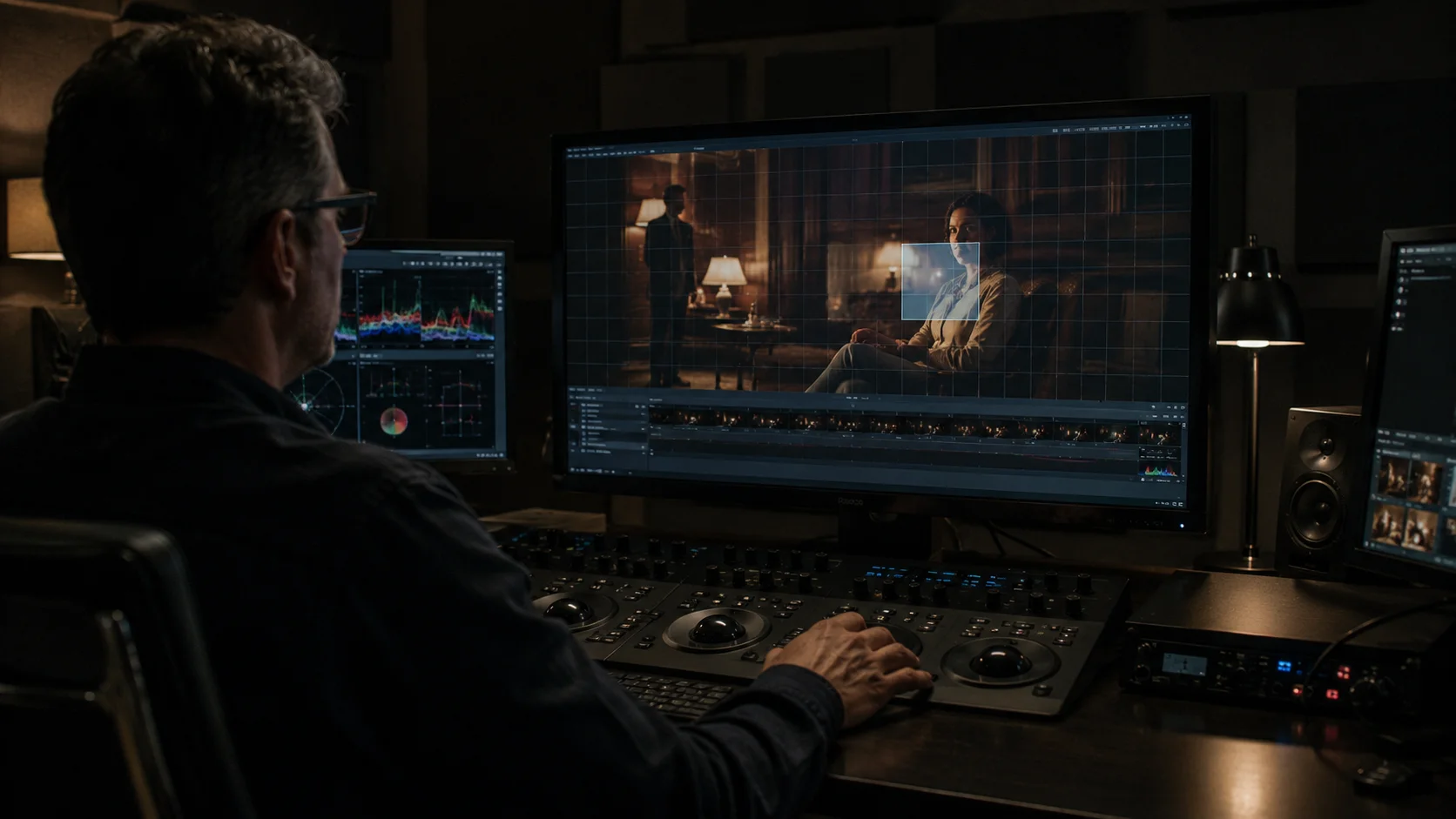
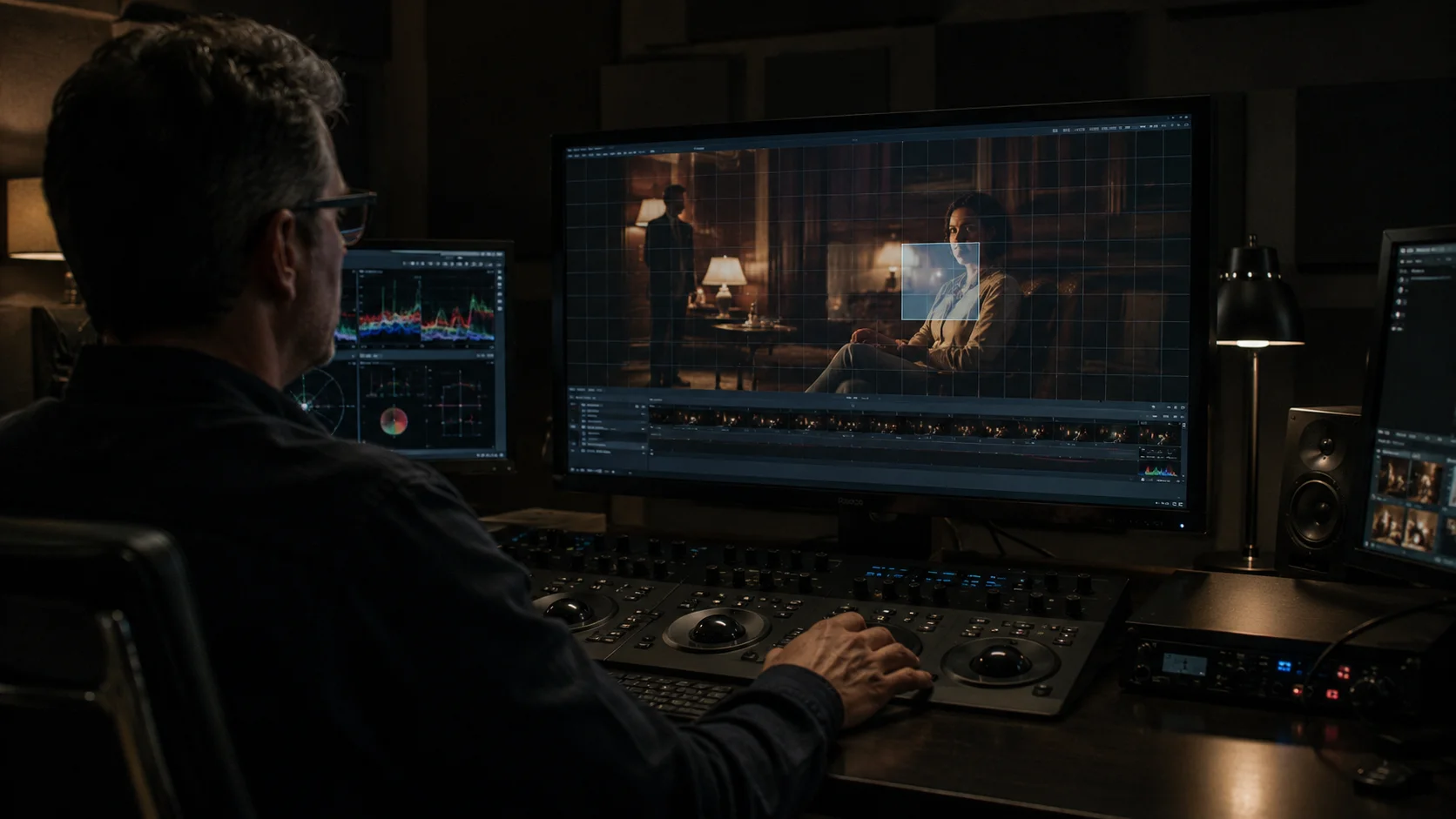
    The company’s tools operate in post-production — specifically in the editing, color, and visual effects pipeline that happens after principal photography is complete. According to TechCrunch’s reporting, InterPositive’s AI addresses continuity issues (a prop in the wrong position between shots, inconsistent lighting across a scene), enhances existing footage quality, and automates elements of the VFX cleanup process that currently require hours of manual labor from visual effects artists. The system works on footage that already exists — it improves what’s there, not what isn’t.

    Variety reported that Netflix will offer InterPositive’s technology to its creative partners rather than sell it commercially, and that the entire 16-person team of engineers, researchers, and creatives will join Netflix. Affleck will serve as a senior adviser. The deal includes performance-based earnout provisions, which explains the “up to $600 million” framing — the actual cash payment is lower, with additional payouts tied to specific deployment milestones.

    Why $600 Million for 16 People

    The valuation needs context. Netflix spent approximately $17 billion on content in 2025. A single prestige drama series runs $10–20 million per episode. A top-tier action film can cost $200–250 million before marketing. Post-production typically accounts for 20–30% of a production budget — meaning $40–60 million on a $200 million film. If InterPositive’s tools reduce post-production costs by even 20%, the savings per major production run into the tens of millions.

    At Netflix’s content volume — over 100 original films and hundreds of series episodes per year — a consistent 15-20% reduction in post-production costs across its top-tier slate generates annual savings that could approach $500 million. Deadline reported that InterPositive had set “aggressive production cost-cutting targets” before the Netflix deal, and that internal models projected meaningful budget reductions at scale. Against those projections, $600 million is less a technology acquisition and more a cost-structure transformation bet.

    The 16-person team is also part of the calculus. InterPositive’s engineers and researchers are among the most specialized AI practitioners in Hollywood — people who understand both the technical architecture of AI systems and the craft requirements of film production well enough to build tools that filmmakers will actually use. That combination is genuinely rare and doesn’t come cheap in 2026, when Big Tech is simultaneously bidding for every available AI research talent.

    Netflix Q1 2026: The Business That Makes the Acquisition Make Sense

    The InterPositive acquisition sits inside a Netflix that is performing exceptionally well by its own historical standards. Q1 2026 revenue came in at $12.25 billion, up 16.2% year-over-year, with the company targeting $11 billion in free cash flow for the full year. That free cash flow figure is the critical number — it’s what makes content investment at scale sustainable without the debt-driven content spending that nearly broke Netflix’s model in 2020–2022.

    The ad-supported tier is the structural driver. With 60% of new sign-ups choosing the ad-supported plan, Netflix has effectively completed its transition from a pure subscription company to a hybrid subscription-advertising business. The $3 billion full-year ad revenue target — roughly double 2025’s advertising revenue — reflects the maturing of that transition. Advertiser count growing 70% to over 4,000 clients in Q1 alone shows that brands are following the audience shift to streaming with genuine conviction, not reluctant experimentation.

    The ad-supported tier also changes the economics of content investment. Higher content volume serves the advertising business by giving subscribers more reasons to stream more hours — which improves ad impression inventory. InterPositive’s post-production AI tools reduce the cost of generating that volume, creating a direct connection between the technology acquisition and the advertising revenue strategy.

    The Spotify Partnership and the Platform Expansion Thesis

    The Netflix-Spotify video podcast partnership — bringing Spotify Studios and The Ringer content to Netflix starting in 2026 — is a separate signal about where Netflix thinks its platform is heading. Video podcasts grew 20 times faster than audio-only podcasts since 2024, and 72% of listeners now prefer video content over audio-only formats. Netflix is adding that inventory to its platform without producing it.

    The partnership model is instructive. Rather than building a podcast platform from scratch, Netflix licenses Spotify’s existing video podcast library and distribution relationship. This mirrors how Netflix has approached licensed content alongside originals — maintaining a mix of owned IP (where InterPositive’s cost reduction tools matter most) and licensed content (where the marginal cost is low and the audience benefit is immediate).

    Together, the InterPositive acquisition and the Spotify deal define a Netflix that is pursuing two parallel strategies: using AI to make original content production cheaper, and using partnerships to expand the platform’s total content surface without proportional cost increases. Both strategies serve the same goal — maximizing the hours-per-subscriber-per-month that makes the ad-supported tier’s inventory valuable to brands.

    Crypto and Web3 Implications for Streaming

    Netflix’s AI production investment and the broader streaming industry’s adoption of AI post-production tools raise questions about content ownership, rights attribution, and creator compensation that the blockchain and tokenization ecosystem is positioned to address — even if the industry hasn’t moved there yet.

    When AI tools augment or modify film footage in post-production, the chain of creative attribution becomes more complex. InterPositive explicitly processes existing footage without generating new content, but as AI post-production tools become more capable, distinguishing between “fixing” a shot and “creating” a new version of it becomes harder. Story Protocol, an on-chain IP management layer, and Royal, which tokenizes music royalties, are examples of blockchain infrastructure designed to handle exactly these attribution and revenue-sharing questions at scale.

    The tokenized content rights thesis is also relevant to the creator economy side of streaming. As Netflix moves deeper into video podcasts via the Spotify partnership, the question of how creators participate in the value of their content becoming a Netflix inventory asset — rather than just a Spotify one — will require new royalty structures. The creator economy’s relationship with crypto-native monetization is evolving precisely because existing royalty infrastructure wasn’t built for multi-platform distribution at the speed streaming platforms can now move.

    More immediately, Theta Network, which built a decentralized video delivery network, and emerging tokenized streaming infrastructure projects see Netflix’s AI-driven cost reduction as both competitive pressure and a proof point: if AI can reduce content production costs enough to generate $500 million annually in savings, the economics of decentralized streaming become more viable in contrast to the centralized infrastructure Netflix is building.

    What the Hollywood Labor Unions Will Say

    The InterPositive acquisition will face scrutiny from the Writers Guild of America and SAC-AFTRA, even though the technology doesn’t generate content or use performers’ likenesses without consent. The concern is about precedent: a $600 million commitment by Netflix to AI post-production tools signals the direction of travel, and unions that negotiated AI guardrails in 2023 under contract provisions expiring in 2026 will read the acquisition as evidence that they need stronger restrictions in the next round of bargaining.

    Inc.’s reporting on the deal noted that Netflix has no plans to sell InterPositive’s technology commercially, which limits immediate union exposure — it’s internal tooling, not a product any production company can license. But internal Netflix tooling becomes external industry practice when Netflix-produced content is financed, co-produced, or distributed alongside union signatory productions. The practical containment is smaller than the stated scope.

    The more durable question is compensation. When AI tools reduce post-production labor costs by cutting the hours required from VFX artists, colorists, and editors, the savings accrue to Netflix’s balance sheet. The labor contract question — whether workers whose roles are made more efficient by AI share in the productivity gains — is unresolved and will be central to the next cycle of Hollywood labor negotiations.

    Inside The InterPositive Office The Week Before The Acquisition

    The InterPositive offices in Santa Monica — the specific building the Netflix conversation centred on — have a layout that suggests, when you walk through them, what the acquisition was actually paying for. The room labelled “model training” holds two GPU racks that the company’s own technical team built and maintained, mounted in cabinets the same engineering team rewired the building’s electrical service to accommodate. The room labelled “creative pipeline” sits adjacent, walled with whiteboard, the work-in-progress notes left from a recent series-development meeting still legible in the corner. The two rooms are next to each other for a reason. The company’s actual value sits in the workflow that walks the corridor between them.

    You can see why Netflix paid $600 million for sixteen people. It was not the people. It was the workflow — the specific, hard-won practice of getting model output into a creative pipeline without breaking the creative pipeline, and getting creative direction into the model without breaking the model. Studios that have tried to build this capability from scratch in the past three years have routinely failed because the two rooms in their building were too far apart in the org chart. At InterPositive the two rooms shared a corridor. The acquisition bought the corridor.

    What happens next is the test most acquisitions of this shape fail. The new parent has to keep the corridor intact while integrating the company. Netflix has a better record at this than most. The corridor either survives the integration or it does not. The acquisition’s value, in five years, will be entirely a function of which.

    FAQ

    What did Netflix acquire with the InterPositive deal?
    Netflix acquired InterPositive, an AI post-production company co-founded by Ben Affleck, in a deal valued at up to $600 million. InterPositive makes AI tools that help filmmakers address continuity issues, enhance existing footage quality, and reduce the labor-intensive manual work in the VFX and editing pipeline. The tools do not generate new content or use actors’ likenesses without permission — they process footage that already exists. The entire 16-person team joins Netflix, and Affleck will serve as a senior adviser. Netflix plans to offer InterPositive’s technology to its creative partners rather than sell it commercially. The deal includes performance-based earnout provisions tied to deployment milestones.

    How does the acquisition connect to Netflix’s Q1 2026 financial performance?
    Netflix reported $12.25 billion in Q1 2026 revenue, up 16.2% year-over-year, with a $11 billion free cash flow target for the full year. The company’s ad-supported tier now represents 60% of new sign-ups, and Netflix is targeting $3 billion in full-year advertising revenue — roughly double 2025’s figure. The InterPositive acquisition directly supports this model: AI post-production tools that reduce per-title costs allow Netflix to maintain content volume (which drives ad impression inventory) without proportional budget increases. Even a 15-20% reduction in post-production costs across Netflix’s top-tier slate could generate hundreds of millions in annual savings — making the $600 million acquisition price rational at scale.

    What is the Netflix-Spotify video podcast partnership about?
    Netflix and Spotify have partnered to bring Spotify’s video podcast library — including content from Spotify Studios and The Ringer — to Netflix’s platform. Video podcasts have grown 20 times faster than audio-only podcasts since 2024, with 72% of listeners now preferring video format. By adding Spotify’s video podcast catalog without producing original content, Netflix expands its total content surface and streaming hours without proportional cost increases. The partnership is consistent with Netflix’s strategy of combining high-cost original content (where AI tools like InterPositive reduce production costs) with lower-cost licensed content (where partnerships provide inventory at marginal cost).

    How will Hollywood unions respond to Netflix’s AI production investment?
    The Writers Guild of America and SAC-AFTRA will scrutinize the acquisition even though InterPositive’s technology doesn’t generate content or use performers’ likenesses — both concerns central to the 2023 strikes. The concern for unions is precedent: a $600 million commitment to AI post-production signals Netflix’s direction of travel, and union contracts negotiated in 2023 with AI provisions expiring in 2026 need renewal. The immediate exposure is limited because Netflix has no plans to license InterPositive’s tools commercially. The longer-term question is whether workers whose roles are made more efficient by AI tools share in the productivity gains — a question unresolved in current contracts and certain to be central to the next Hollywood labor negotiations.

    What are the crypto and blockchain implications for streaming content rights?
    As AI post-production tools become more capable, content attribution becomes more complex. Blockchain-based IP management infrastructure, including Story Protocol’s on-chain rights layer and tokenized royalty structures like Royal, is designed to handle attribution and revenue-sharing at the scale and speed that multi-platform streaming distribution requires. The Netflix-Spotify partnership also raises questions about how creators whose podcast content becomes Netflix inventory are compensated across platforms — a problem that blockchain royalty infrastructure can address more efficiently than legacy rights management systems. These aren’t immediate Netflix use cases, but they represent the infrastructure trajectory the industry is heading toward as AI production tools accelerate content volume and complicate ownership chains.

    Sources